Beyond buildings: Why a collaborative, people-first approach is our priority
Reflections from Carly Ersser, Workplace Services Director at the Government Property Agency.

Recently I had the opportunity to attend The Workplace Network (TWN) conference – a gathering of government property professionals from around the world. It was a chance to swap stories, reflect on the challenges we all face in managing public estates and share learnings.
Common challenges, different approaches
What struck me most was how consistent our challenges are, regardless of geography. Pressures born from having tighter budgets, adjusting to changing working patterns, managing an ageing estate and the need to get more out of the spaces we have, were universal. Across the board, countries are grappling with how to rationalise and make the best use of their estates, while improving services.
In Finland, a bold “greenfield” approach is being applied – our peers are building new regional hubs and inviting departments to move in. Whereas in Canada, the grouping of departments has happened more gently, with the footprint being expanded gradually. Conversely, in South Korea, the government is exploring multi-use developments that combine office, residential and commercial space to maximise value from public land.
As we discussed these different models, a common thread appeared – collaboration. The importance of bringing clients along with you on the journey cannot be understated.
What was clear is that while the challenges are shared, the solutions vary.
Space that serves
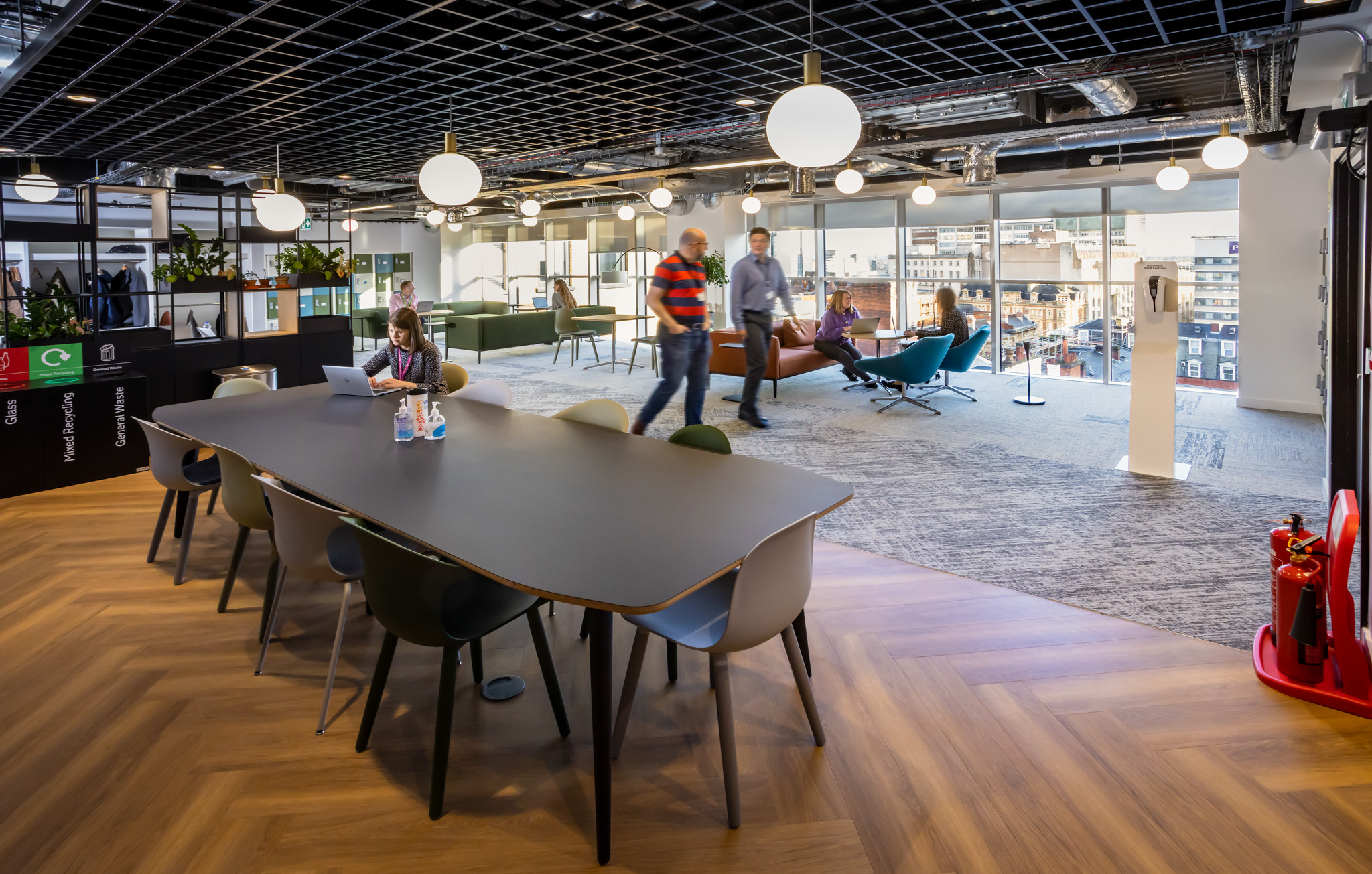
At the GPA we are reshaping the government office estate – this includes consolidation in some places and the delivery of regional campuses in others. These campuses, or hubs, are supporting the Places for Growth agenda, providing high quality workspaces for civil servants across the country that bring them closer to the communities they serve.
They are also enablers of collaboration – a notion this conference made clear was a cornerstone to successful management of any estate. Whether that is with departmental neighbours within a hub or through providing productive spaces where civil servants can come together from across the country to do the work of a mission-led government.
To help this happen, we’re making government buildings smarter and more connected. In addition to universal access cards (GovPass), secure shared Wi-Fi (GovWifi) and cloud-based printing (GovPrint), we’re also rolling out smart booking systems, occupancy sensors to track building usage and standardised technology in buildings across the country. These tools don’t just improve experience; they help different departments share space more effectively and also help gather useful data.

Not just data for data’s sake
Governments across the world are trying to harness the power of data for better estate management.
For example, our Canadian counterparts are using Microsoft business dashboards to track asset condition and usage. At the GPA, we’re also believers of data-led insights.
We’re creating a data rich foundation to build from, covering everything from the condition of the buildings, condition of the assets within those buildings, occupancy patterns and experiences of the people using those buildings. With this at our disposal, we can maximise our use of AI to enable real-time insights and more strategic decision-making.
This is already helping our departmental partners to better inform their location strategies, plan for moving teams and finding appropriate spaces. It’s also supporting us to make efficiencies by creating a powerful, accurate picture of how our estate is being used.
Balancing legacy with modern need
Alongside investing in our future, we also want to preserve our past. In the UK, we are fortunate to be the custodians of buildings that are steeped in history, including the oldest purpose built office in the country. Our aim is to support the preservation of our estate’s history and celebrate its legacy, while marrying this with new ways of working, sustainability and smart building performance.
We work closely with councils and local authorities, and engage heritage teams throughout the design, build and fit out process – this joined-up approach ensures we reach outcomes that respect the character of our buildings while meeting the diverse needs of civil servants.

Putting people at the core
Ultimately, our job is to help departments get the best from their people so they can better deliver for the public.
With varied and diverse needs to cater for, it’s important that we understand what our departmental partners need – and what they don’t – to ensure we deliver the right level of service. It’s about nurturing a partnership to continuously match our services to their evolving needs.
Recognising our strengths
Increasing Civil Service productivity in the UK is a priority for the government and for many governments across the world. The conference was a valuable reminder that the complex challenges we face are universal. Pressures from tighter budgets, managing ageing estates and adjusting to new ways of working are felt by public property professionals globally. Across the board, countries are seeking ways to rationalise their estates and improve service delivery, while ensuring greater value is achieved from its taxpayer spend.
The conference also reinforced that we, the GPA, should be proud of the progress being made across the government office estate. By integrating smart technology, data-led insights, and a collaborative, people-focused service, we are demonstrating how to transform a complex, historic estate to meet modern needs.