
Beyond the headlines: Shaping the future of UK property and investment at UKREiiF 2025
Last month we were at the heart of conversations at the UK’s largest real estate and investment forum, UKREiiF, which brought together over 16,000 delegates in Leeds.
Last month, the UK’s largest real estate and investment forum, UKREiiF, brought together over 16,000 delegates in Leeds for a pivotal three-day event. As a key part of the UK Government delegation, we were proud to be at the heart of the conversation, showcasing our ambitious programme of property transformation and our commitment to driving national growth and efficiency.
Our presence at UKREiiF was a valuable opportunity to connect with key partners, including government departments, local authorities, developers, and investors. Our primary goals were to highlight our major projects and growth ambitions, enhance our brand as the government’s expert property partner, and forge new relationships across the public and private sectors.
A hub of collaboration and expertise
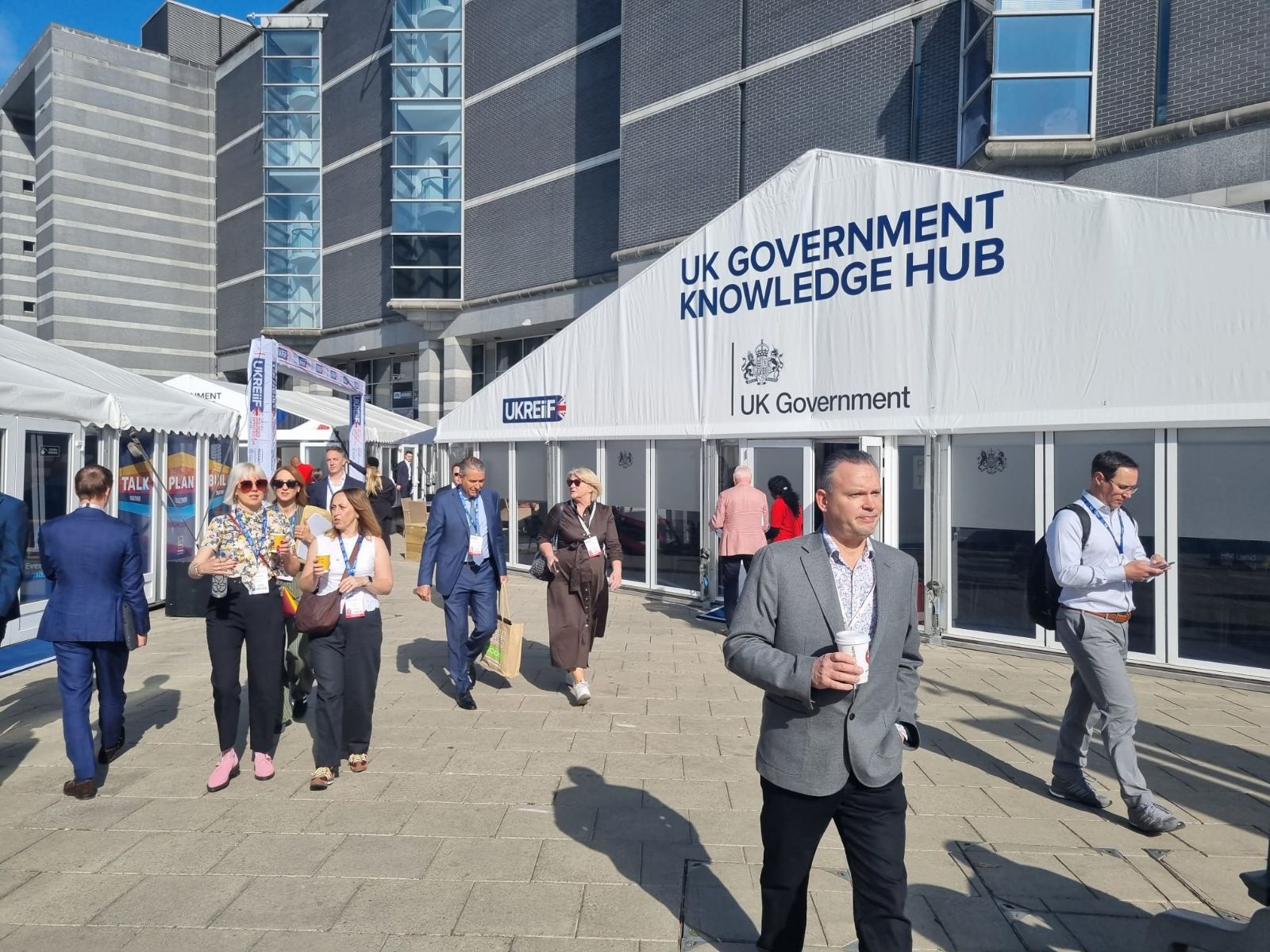
In a powerful demonstration of cross-government collaboration, we co-hosted the UK Government Campus with the Office of Government Property (OGP) and the Department for Business and Trade (DBT). This vibrant hub, featuring a Knowledge Hub for panel discussions and an Investor Hub for strategic meetings, was a focal point of the event. Partnering with Homes England, HM Land Registry, the Coal Authority, the Department for Transport, and the Ministry for Housing, Communities and Local Government, we delivered a compelling content schedule that consistently drew standing-room-only crowds.
Across three days, our subject matter experts took the stage in 26 sessions, leading discussions on the most critical themes in today’s property landscape: Sustainability and Net Zero, the future of real estate, social value and EDI, and inward investment.
Day 1 highlights: Setting the strategic vision
The first day’s sessions established a clear and strategic vision, demonstrating our role at the forefront of the UK’s property transformation. Our experts led wide-ranging discussions on how a forward-thinking property strategy acts as a direct driver of national growth and public sector reform. Key themes included the critical role of strategic workforce planning in shaping the future government estate and the transformative potential of PropTech in enhancing operational efficiency.
Conversations also delved deep into sustainability, exploring data-driven strategies to achieve Net Zero and the design of future-proofed, connected workspaces. Using live examples, such as the Darlington Economic Campus, we showcased how targeted public investment in property serves as a powerful catalyst for regional regeneration, successful placemaking, and economic development, reinforcing the power of public-private collaboration in creating vibrant communities.
Day 2 highlights: Driving productivity through partnership and skills
The focus on day two shifted to the practical application of our strategy, centering on productivity, partnerships, and future-proofing the sector’s skills. We hosted a roundtable with private sector leaders that led vital conversations on how intelligent management of the office estate can directly address the UK’s productivity puzzle and support sustainable regional growth. Our other sessions further emphasised a move towards a smaller, smarter government estate, where effective space utilisation and true flexibility are paramount.
A central theme was the power of collaboration, highlighted in a key roundtable that brought together leaders from central and local government with private sector developers and investors. This forum explored how to unlock and deliver true, measurable value in urban regeneration projects. Furthermore, our contributions underscored the urgent need to upskill the property workforce, embracing digital advancements and agile methodologies to build a stronger, more resilient foundation for the future.
Day 3 highlights: Digital transformation, data, and social impact
The final day focused on the interconnected themes of digital innovation, data-driven decision-making, and delivering tangible social value. In a session showcasing our successful public-private partnerships, we detailed how standardised, high-quality data is fundamental to transforming government property maintenance and asset management.
The social impact of our work was another cornerstone of the day’s discussions. We explored the significant social value and transformative potential delivered through collaborative, cross-government initiatives like the Places for Growth agenda. Panels also debated the future of the workplace itself, reimagining how offices can be designed to foster collaboration, wellbeing, and productivity. Tying this together was a focus on people, with conversations highlighting the critical importance of diversity, inclusive recruitment, and skills training to create a Civil Service that is truly representative of the communities it serves.
Looking ahead: A partner for a better future
Our leadership at UKREiiF 2025 has reinforced our position as a trusted partner in one of the UK’s most ambitious property transformation programmes. The insights and connections gained will be invaluable as we continue to deliver a smaller, better, and greener government office estate.
We are committed to working in partnership to rationalise the public estate, generate operational cost savings, and support the government’s Net Zero ambitions. By delivering modern, inclusive, and energy-efficient offices, we are kickstarting economic growth, enabling public service transformation, and creating a more diverse and productive Civil Service that is closer to the communities it serves.
The conversations for UKREiiF 2026 have already begun, and we look forward to building on this year’s success.