
How the public office estate is the engine room for Civil Service transformation
At this year’s UK Real Estate Investment and Infrastructure Forum (UKREiiF) we stood alongside our public and private sector partners and asked the hard questions about the future of the UK’s built environment.
This year’s UKREiiF was not just another date on the property calendar. For the Government Property Agency (GPA), it was a critical opportunity to stand alongside our public and private sector partners and ask the hard questions about the future of the UK’s built environment.
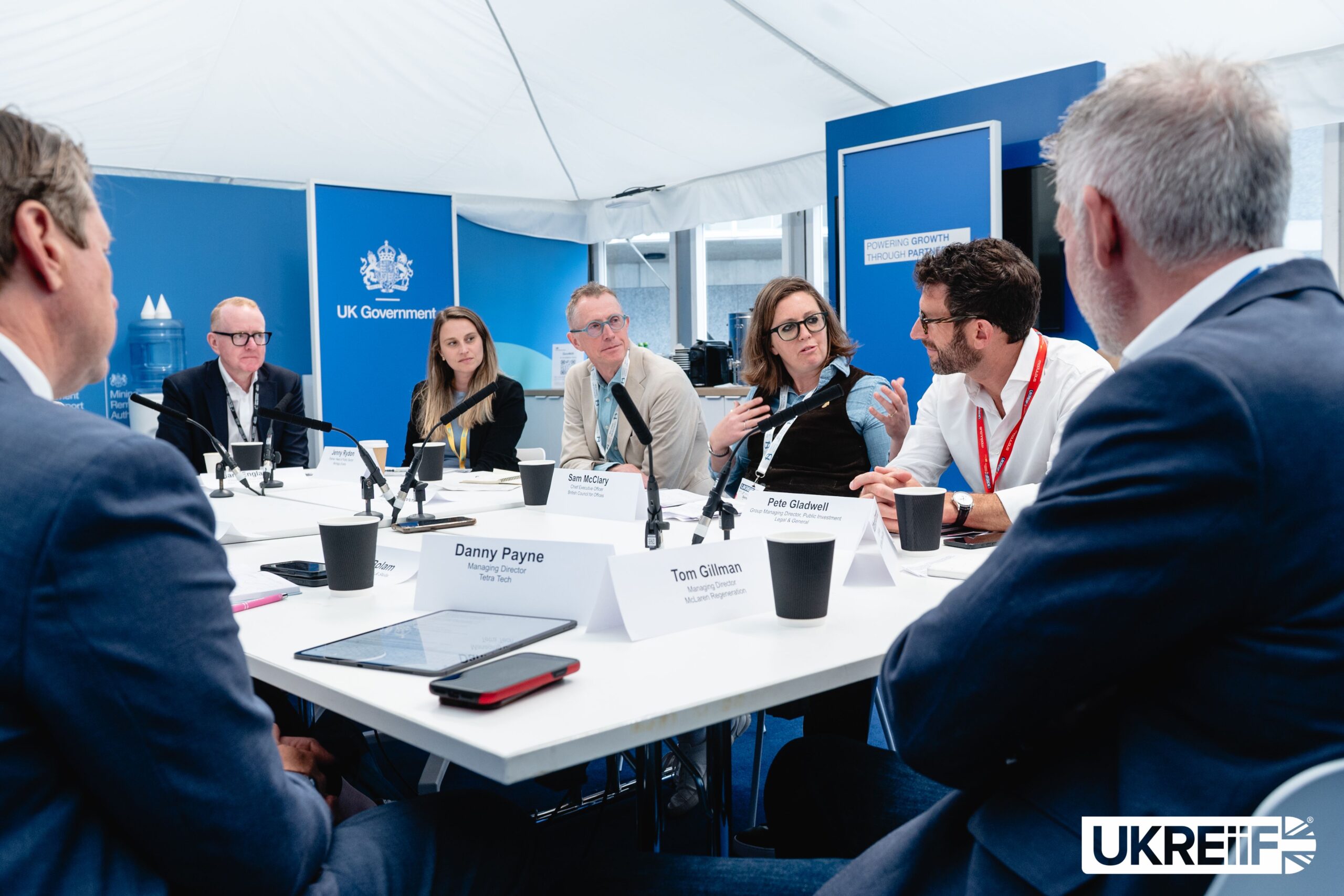
As co-leaders of the UK Government Campus, we didn’t travel to Leeds simply to talk about buildings. We went to discuss what those buildings enable. Over three days of collaborative, productive and forward-looking conversations, one theme was clear: the public estate is the engine room for national growth, regional revitalisation, and public sector reform.
Here are our three key takeaways from UKREiiF 2026.
1. The anchor tenant effect is real, and powerful
The narrative around regional growth has shifted. It is no longer just about relocating jobs out of London; it’s about creating lasting, thematic ecosystems in our regional towns and cities.
During the Connecting the Dots session, the discussion highlighted the profound, visible change that long-term government investment brings to an area. When the GPA commits to a 20-year lease or a new freehold – like our expanding campus in Darlington – we act as a market anchor. We provide the covenant strength and pipeline certainty that de-risks private sector investment, attracts professional services, and drives local supply chain growth.
This isn’t just theory. As discussed during the 10 Years of Good Growth panel the Manchester Digital Campus is expected to generate £2.3 billion in social value. The true measure of our success won’t just be the 8,800 civil servants working collaboratively inside the building, but the thousands of construction jobs, the integration with local universities, and the footfall returned to local high streets. We are investing in places, not just property.
2. Data must move from surveillance to service
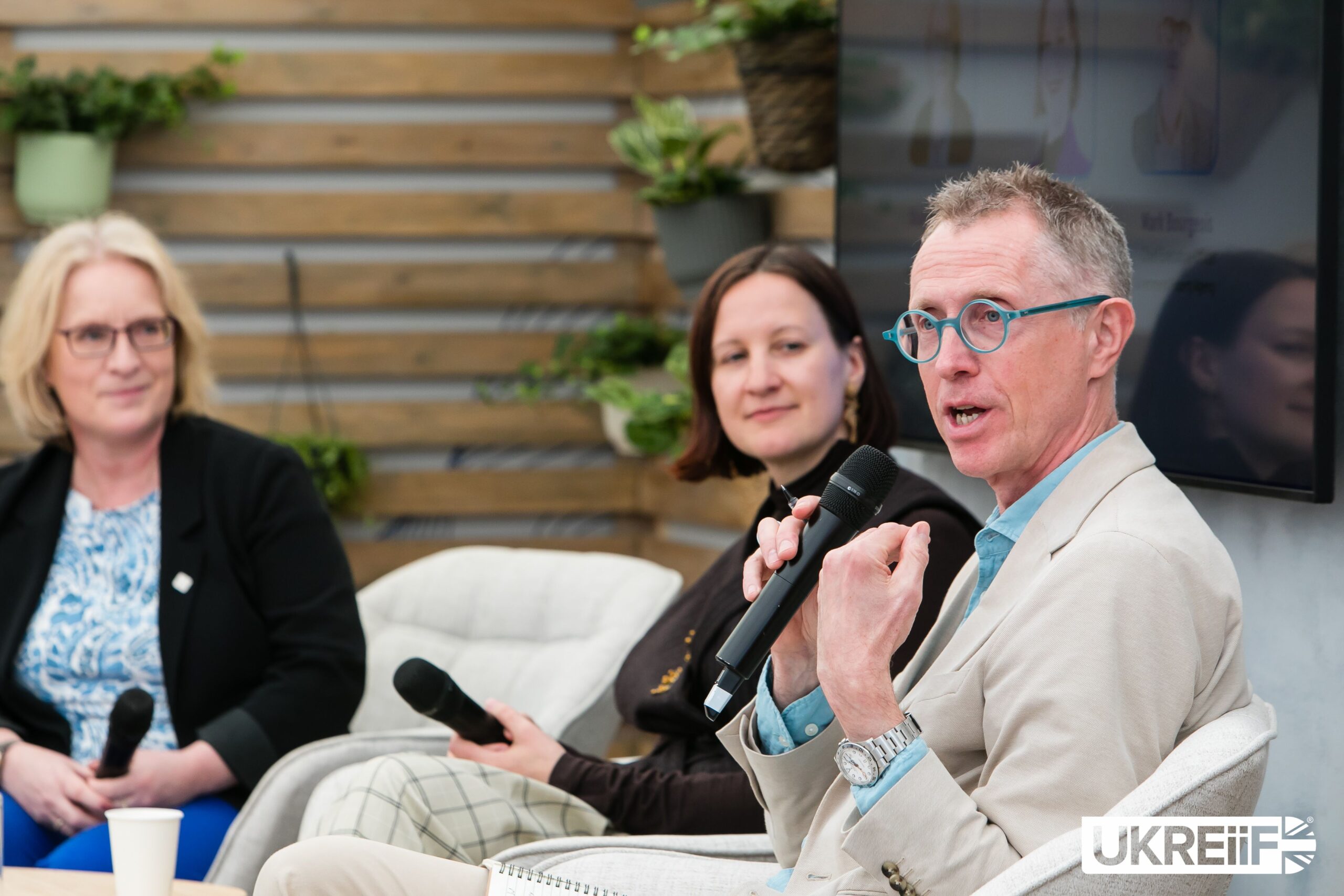
The conversation around smart buildings has matured. As noted during The Data Balance panel, the market is flooded with technology, but the real challenge is trust.
Across the public and private sectors, there is a massive backlog of fragmented data. To maximise the value of our assets and hit our stringent Net Zero targets, we must break down these silos. But more importantly, we must establish a transparent social contract with the people using our spaces.
Civil servants – and corporate employees alike – need to know that data collection isn’t about tracking attendance. It’s about understanding how spaces are used so we can make them better. Whether we are rolling out GovWifi to over a million users or using advanced sensors to optimise collaboration zones, the goal is interoperability. When the technology works seamlessly, and the data is used transparently to improve the daily user experience, trust follows.
3. Net Zero is a commercial opportunity, not a compliance exercise
Perhaps the most urgent conversations at UKREiiF centred on viability and sustainability. The industry is grappling with how to fund the transition to a low-carbon future, particularly outside of the prime London market.
The GPA’s stance, championed across multiple sessions by our Net Zero and Strategy teams, is that decarbonisation must be treated as a commercial driver. We are moving away from judging an asset solely by its upfront capital cost, shifting entirely to whole-life value.
This means relentless optimisation of what we already have. As discussed during the Managing the Middle session, true value for the taxpayer often lies in unlocking the potential of existing Grade B and heritage assets through targeted, data-led refurbishment, rather than relying solely on new builds.
Furthermore, we are using our scale to drive ethical standards globally. By insisting on strict, SMETA-compliant providers for our national solar panel rollout, we are proving that the public sector can lead the charge to Net Zero while simultaneously mitigating the risk of forced labour in the supply chain.

Looking ahead
UKREiiF 2026 confirmed that the line between public service delivery and private sector innovation is more porous than ever. To deliver a smaller, better, greener estate, neither side can move in isolation.
The challenges of Net Zero, data interoperability, and regional growth require heightened collaboration, clear communication, and, most importantly, a shared purpose. The GPA is proud to be at the forefront of this transformation.