

23 Stephenson Street, Birmingham: Fostering a community
This case study documents the transformation of Birmingham, 23 Stephenson Street from a disused retail space into a modern, multi-department Government Hub.
Once a disused retail building, 23 Stephenson Street is now a modern office space that accommodates over 1,700 civil servants from 20 government departments. It was the first Government Hub outside of London when it opened in July 2022 and attained Leesman+ certification two years later.
Its city centre location and proximity to Birmingham New Street train station promotes green travel, whilst rooftop solar panels and intelligent lighting support carbon reduction in line with the government’s Net Zero ambitions.
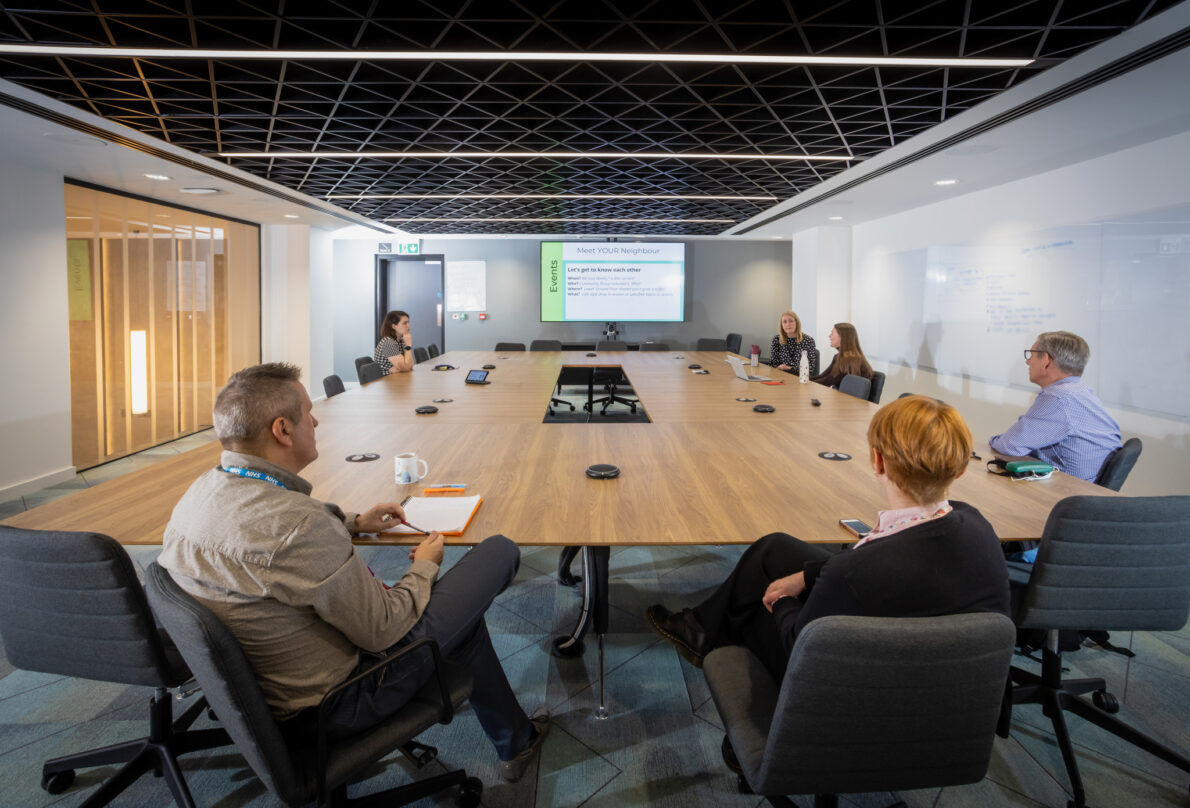
A core principle of the hub is fostering a genuine sense of community, with the GPA actively encouraging staff to view the building as a shared space. With this in mind, the building features spaces specifically designed for community engagement events, as well as digital signage at key gathering points to publicise events and projects across the space. The community at 23 Stephenson Street is further strengthened with its connection to the local area, with the building’s town hall space regularly hosting large-scale cultural and community events and partnerships for external organisations, including West Midlands Police and the University of Birmingham, as well as government departments. Health was also built into the community ethos, leading to the inclusion of biophilia, a wellbeing room, healthy food offerings and spaces for activities such as yoga.
Inclusivity is a strong theme in the hub’s design, underlined by the building’s automatic doors, braille wayfinding, universal toilets, wudu space, wheelchair accessibility and a dedicated guide dog facility. The hub was also the first GPA-delivered hub to receive Inclusive Environments Recognition from the Construction Industry Council.

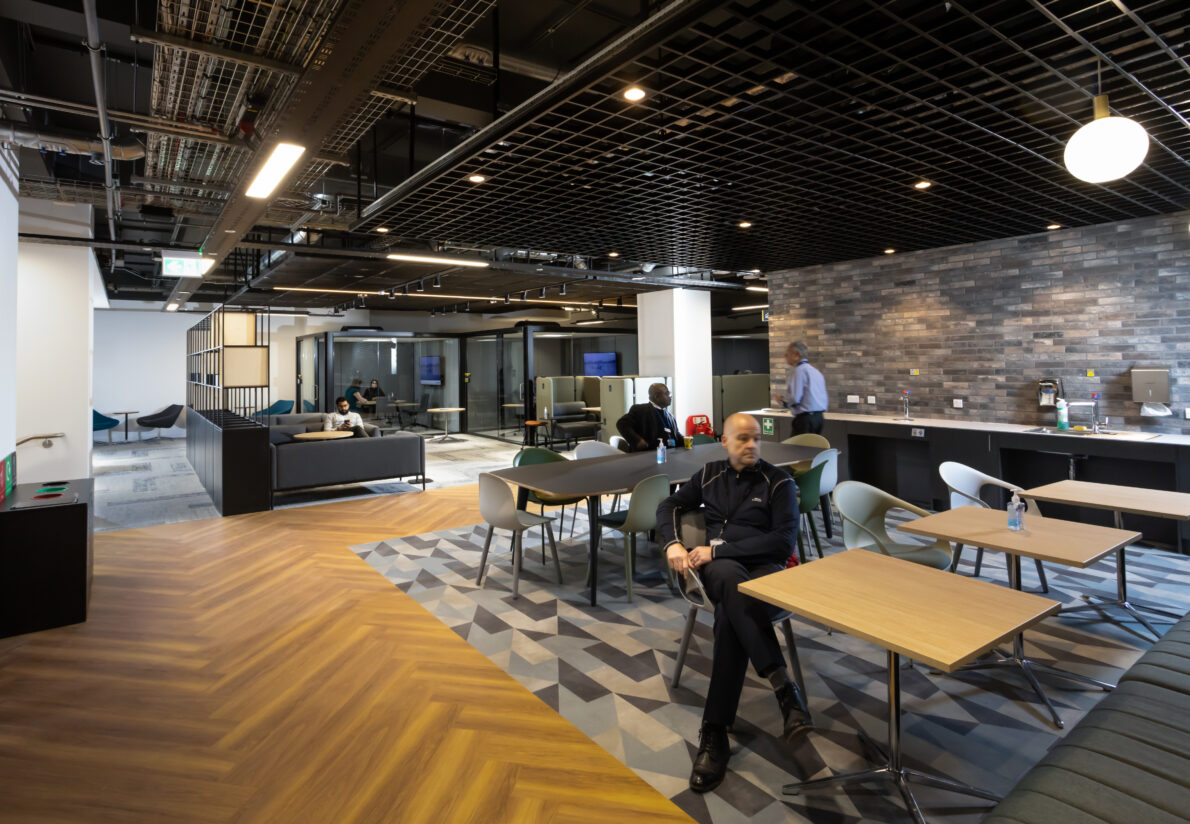
Rather than fixed rooms and bespoke joinery, the design favoured freestanding, plug-and-play furniture and meeting pods that can be repositioned or replaced without major works. This approach reduces costs, waste and carbon over the building’s lease tenure, while giving the GPA flexibility to adapt spaces as ways of working evolve.