Decarbonising complex office estates: how are we tackling it?
To deliver on the decarbonisation goal across our portfolio, we are focused on reducing our embodied and operational carbon emissions and have set ambitious targets for improvement.
What is decarbonisation?
Decarbonisation means reducing carbon dioxide (CO2) emissions to the atmosphere. The levels of CO2 in the atmosphere indicates the presence of greenhouse gases (GHG) measured as tonnes of O2 equivalents (tCO2e).
Net zero carbon is achieved when all the carbon emissions associated with a building – from production and operation through to deconstruction and end of life – are zero or negative by removing embodied CO2 and using sustainable, clean energy systems.
To deliver on this decarbonisation goal across our portfolio, we are focused on reducing our embodied and operational carbon emissions and have set ambitious targets for improvement.
Our pathway to Net Zero
The UK has an ambitious sustainability target of reducing Greenhouse House Gas (CHG) emissions to net zero by 2050. As an organisation, we exist to create a transformed, shared, sustainable and value for money government office estate that supports civil servants to work productively across the UK. One of our main objectives is to contribute to the Greening Government Commitments by making estates and assets as sustainable as possible, moving towards the wider net-zero goal by 2050.

Opportunities in tackling challenges in decarbonisation
Our current challenges in reaching the net zero goal is the cost of low carbon technology which is higher than traditional technologies, and can also make investment decisions difficult to justify. The introduction of new technologies and innovations can sometimes prove risky, as demonstrated by the modern slavery issues seen in the recent years associated with the solar Photovoltaics supply chain. We also need to plan our investments to meet future increases in Minimum Energy Efficiency Standards (MEES) set by the Government.
As an organisation, we face many challenges in reaching the wider net-zero goal but we have introduced several approaches to address these. Our partnerships with Local Authorities, developers, landlords and suppliers are ensuring the UK Government benefits from:
Training
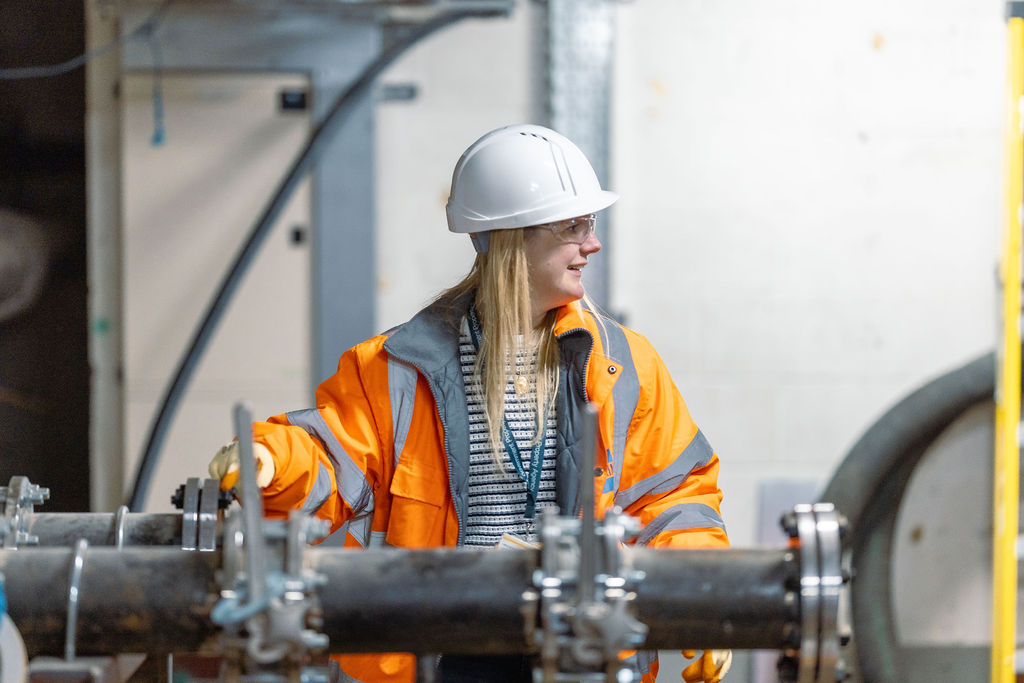
A key enabler of the delivery of all our projects is its sustainability capability. We are corporate members of the Institute of Environmental Management and Assessment (IEMA) and have a certified IEMA training centre positioned internally to provide essential environmental skills to our workforce. We also offer all-staff training in environmental skills so our people can contribute towards our shared environmental objectives.
Standards
Our Sustainability Plan identifies the changes needed to sustainably operate the government office portfolio. The Plan includes aspirational targets for our Net Zero Programme, for how government departments – our clients – use energy and water.
We have also published the Government Workplace Design Guide (GWDG), which includes the Sustainability and Net Zero Annexes (NZ Annex) as its newest additions. The GWDG sets the standards new build and refurbished buildings need to meet the Government’s net zero commitment. We also use the Office of Government Property’s Net Zero Playbook, as the basis of a maturity assessment for our projects and trajectory towards achieving Net Zero.
Governance
Our governance structure includes a Sustainability Committee (SusCo) to advise its Boards. SusCo makes decisions on implementing the organisation’s sustainability plan, resources, budgets and escalations.
Legacy estate
The Government advocates a ‘fabric first’ approach to buildings to minimise the introduction of new embodied carbon for us to make an assessment of each building. Through these assessments and energy performance, we establish what is required to become net-zero ready.
Delivering on our decarbonisation targets
The Government has made the additional commitment to achieve a 75% reduction in CO2 across the public sector by 2035 (against a 2017 baseline).
Leading by example, we are committed to going beyond that target to reduce emissions by 78% for offices we manage by 2032, three years ahead of the Government’s target. And we are well on our way to achieving this.
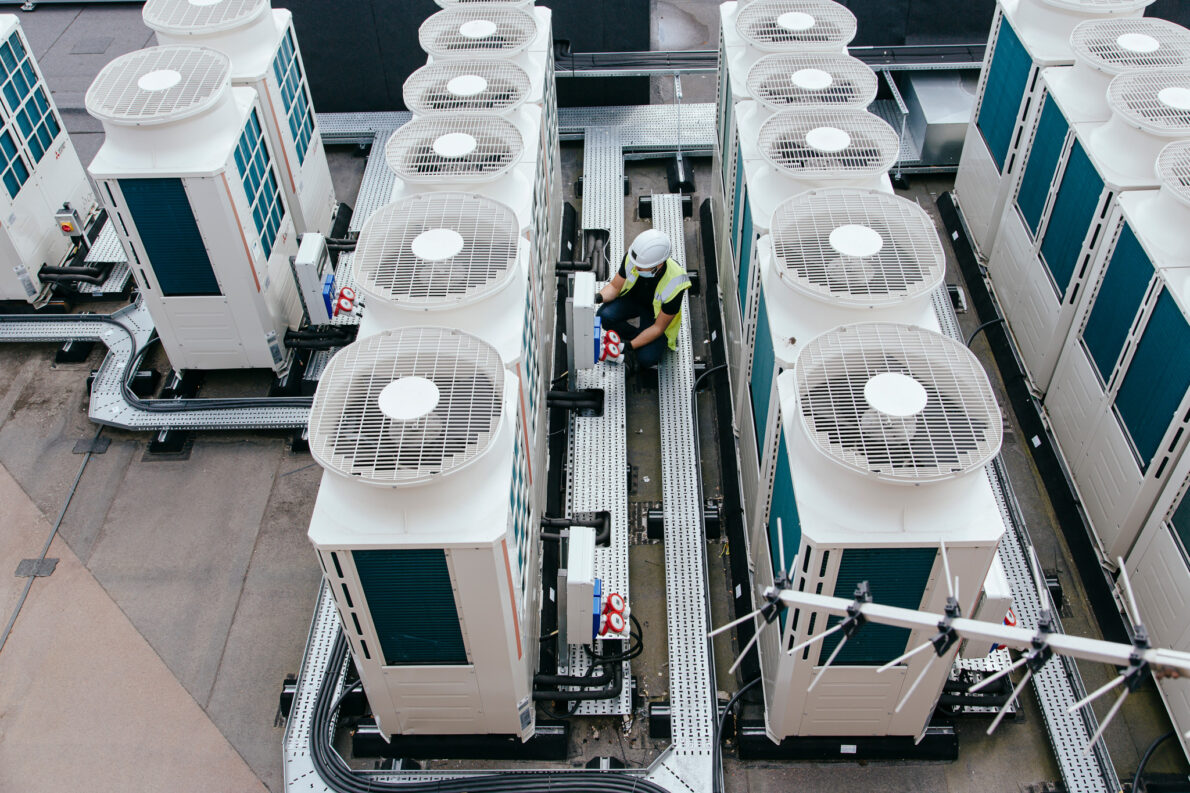
In 2023-24 we met our Net Zero target of 1,200 tonnes CO2 savings through a diverse programme of improvements including the installation of PV panels, air source heat pumps and LED panels.
We are also moving to District Heating Networks where possible to use low temperatures, which will go a long way to reducing carbon emissions while continuing to provide efficient heating solutions.
Target: 78% reduction
in CO2 emissions for offices we manage by 2032
Delivered: 1,200 tonnes
of CO2 savings in 2023/24
District heating
to provide efficient heating solutions
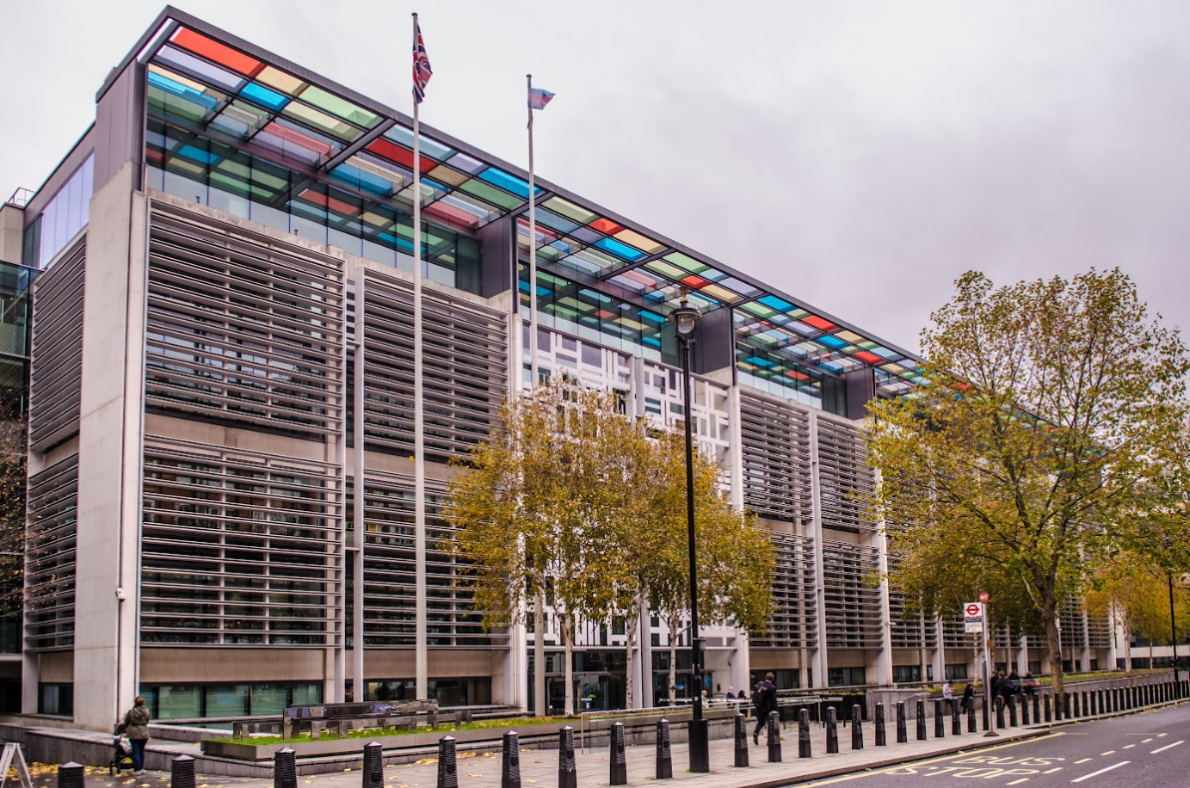
2 Marsham Street
At 2 Marsham Street in London, where we manage office space for six government departments and up to 4,500 staff, over 20 initiatives have been implemented so far to generate energy savings.
These include:
- Installation of dimmable motion-activated stairwell lighting, producing CO2 emissions savings of 45 tonnes per year
- A new fully modulating burner on a gas boiler, producing CO2 emissions savings of 7 tonnes per year
- Installation of variable speed drives on large pumps, producing CO2 emissions savings of 220 tonnes per year
- An LED replacement scheme which has reduced lighting power/cost by 48%
As well as delivering on our decarbonisation targets these initiatives have also generated an estimated annual saving of £257,000 at 2 Marsham Street alone, providing greater value to the taxpayer.