
A modern government estate for a modern Civil Service
Strategy Director Dominic Brankin writes on how we're proving that historic buildings can be effective modern workplaces.

At the Government Property Agency (GPA), we’re at the forefront of workplace change – shaping a smaller, better, greener government office estate to better support the Civil Service and achieve greater efficiencies from taxpayer spend. It’s an incredibly exciting role that means thinking about how the office needs to evolve, adapting to the latest technology and how the world of work is changing.
We’re firmly focused on the future, but we also have the privilege of managing some of the most iconic buildings in British history. Within the walls of Whitehall, the NHS was conceived, the end of wartime was celebrated and countless decisions were taken that still impact lives today. While these choices and moments physically took place in Whitehall, their influence has always reached far beyond the capital, shaping communities and public services across the entire nation.
These buildings have a heritage that’s important to recognise and celebrate, but they’re also workspaces that need to serve today’s Civil Service. The challenge and opportunity for us is how to blend this special history with innovation to create spaces where civil servants can work effectively and productively – making decisions that will impact millions of people now and beyond, just as those who walked the same halls before them did.
Where tradition meets transformation
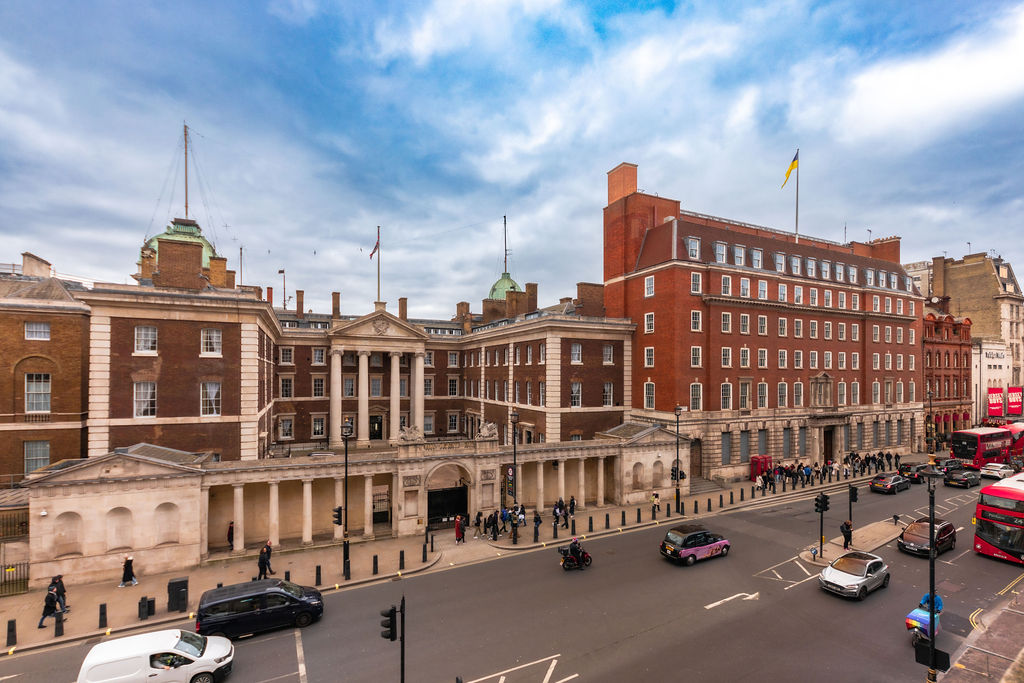
Wherever you are in the Westminster Campus, you’re looking at or touching a piece of our past. 70 Whitehall is home to stonework and masonry from the old Whitehall Palace (c.1,500’s – c.1,700’s), for example. Many of us who work in government take real pride in the fact that we’re building on the work of thousands of public servants who have gone before us. The GPA’s job is to harness that sense of inspiration while making the estate fit for current working requirements.
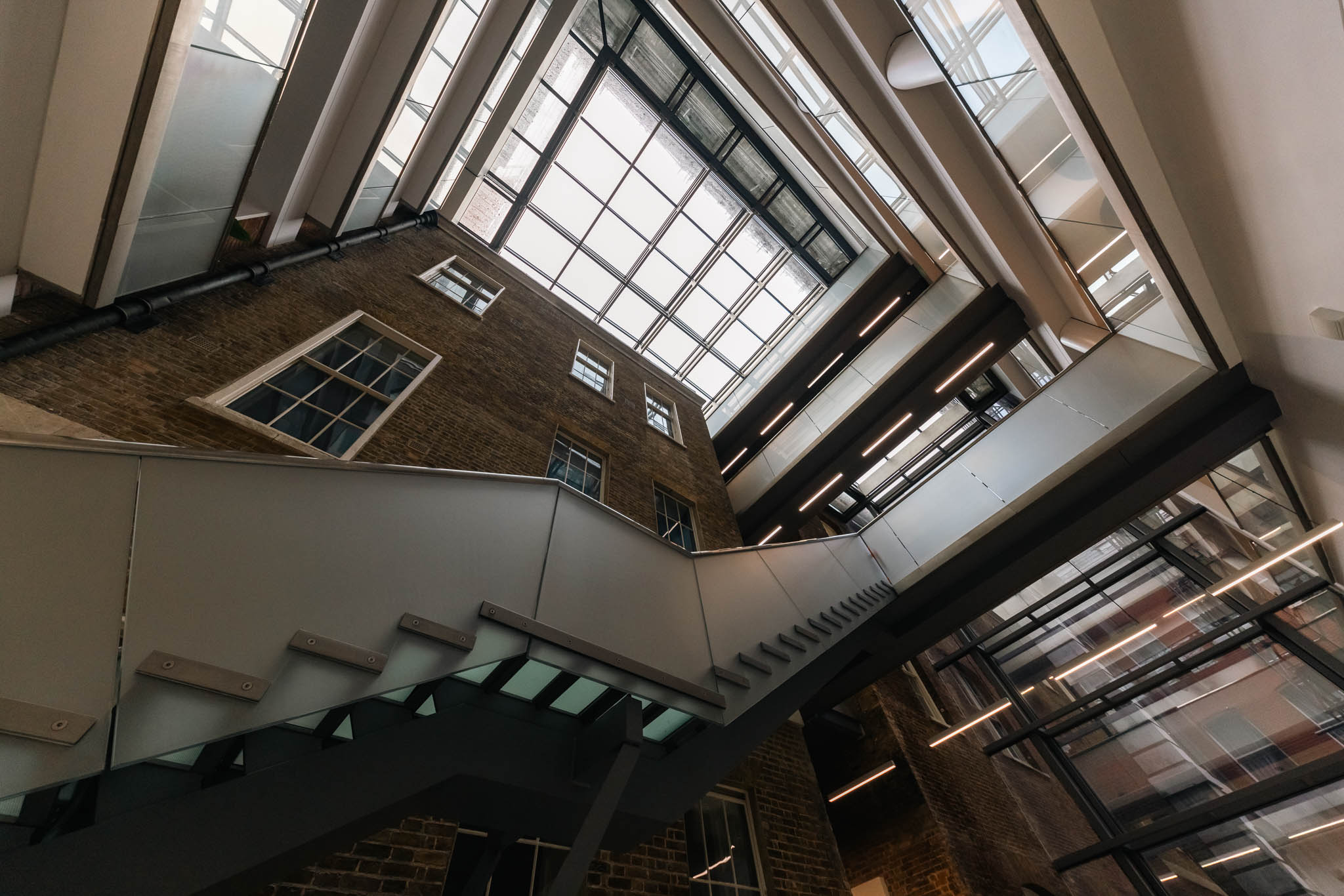
26 Whitehall, or the Ripley Building (c.1700’s) linked via a glass atrium to the more modern 22 Whitehall, the Kirkland Building, is a good example of our work in action. It was one of the first purpose-built offices in the UK, so there’s no better case study for the evolution of the office. The juxtaposition between past and present and the challenge this creates is particularly evident when you consider the current occupier: the Department for Science, Innovation and Technology (DSIT). DSIT does forward-thinking, technology-led work, being the home of the government’s AI incubator.
We’ve preserved the building’s historic features including repairing and restoring over 200 original sash windows, plus plasterwork and staircases, while modernising the space for 21st-century working. Layouts have been reconfigured to create flexible, agile offices. We’ve installed energy-efficient plant, ventilation and lighting systems – a difficult feat with the Ripley Building being Grade I* listed – and put in mechanical, electrical and security systems that meet both government and particular DSIT standards. We’ve also integrated smart building infrastructure and interoperable property technology solutions like GovWifi, GovPrint, and GovPass so that colleagues from across the Civil Service can use the workspace seamlessly.
Our teams’ specialist knowledge means they’ve been able to deftly navigate the technical intricacies of the work as well as the cost implications – keeping a sharp eye on value for money for the taxpayer.
Beyond the walls of Whitehall
The refurbishments in Whitehall are part of a larger transformation – in fact, one of the most ambitious workplace programmes in the UK. The Westminster Campus Programme is creating spaces in London that support a future-ready Civil Service, while streamlining the government’s London footprint. As part of our Plan for London, we’re reducing the number of government buildings but improving the quality of the ones that remain. We’re bringing the estate together into a more energy-efficient, digitally connected network that makes it easy for departments to collaborate and get things done.
This transformation also supports the wider Places for Growth programme, which has already enabled more than 21,000 Civil Service roles to relocate out of the capital, supporting regional growth and devolution. We’re creating a ripple effect, improving workplaces for civil servants and delivering real benefits for the communities they serve.
Part of a bigger picture
The GPA plays an important part in a wider system that exists to serve the needs of the country. It’s vital that we’re getting the best outcome for taxpayers by creating an estate that is both efficient and effective. To make sure we get this right, our approach is guided by data, collected from buildings, civil servants and departmental partners.
For example, we listen to civil servants through workplace experience surveys and other feedback channels and collect occupancy data from across more than one million square metres of property. We work in partnership with departments to understand their needs, being realistic about the changes being requested and the constraints posed by older buildings.
We draw on our strategic expertise to analyse this data alongside operational requirements and heritage considerations to find practical solutions that deliver functional workspaces without losing what makes these buildings significant.
Our choices are evidence-based, support civil servants to do their best work and deliver value for the public purse. We’re proving that historic buildings can be effective modern workplaces, and that being custodians of the government office estate means serving both our past and our future.