
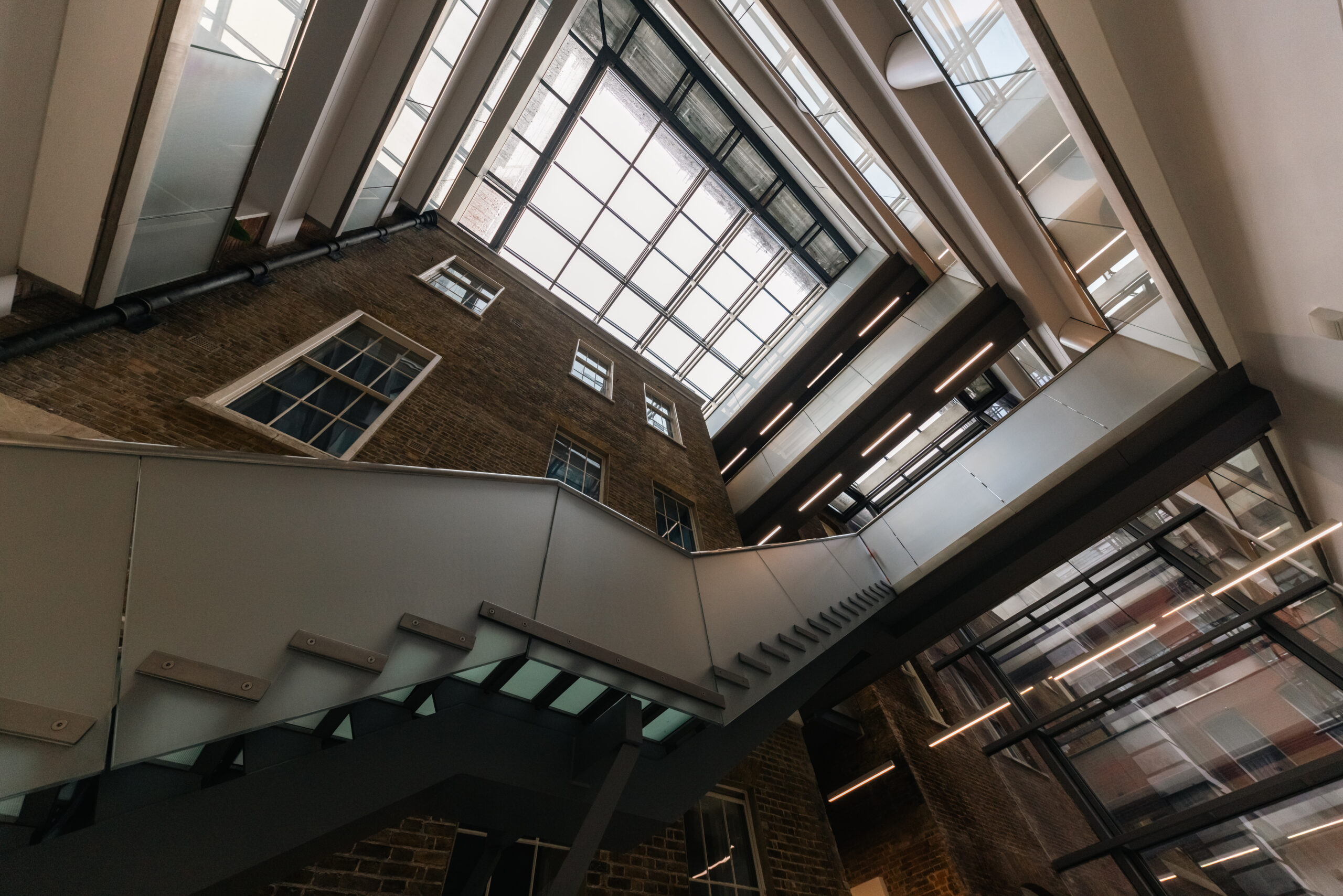
22-26 Whitehall: Protecting heritage, boosting productivity
Find out more about the transformation of the historic Grade I listed Ripley Building into a modern, flexible workspace for the Department of Science, Innovation and Technology.
22-26 Whitehall comprises the Grade I listed Ripley Building and the modern Kirkland Building, and serves as a benchmark for the integration of the Government Workplace Design Guide within a highly sensitive heritage environment. The building, which is part of the Westminster Campus, underwent a refurbishment that was completed in July 2025, and successfully delivered a modern, inclusive and flexible workspace for the Department of Science, Innovation and Technology (DSIT), boosting productivity and wellbeing.
The Ripley Building is considered one of the first purpose-built office buildings in the UK, with its construction completed in 1726. It is historically associated with the country’s naval service having been created as offices and apartments for the Lords of the Admiralty. The building hosted Lord Nelson’s body before his state funeral in January 1806, and contains the panelled Admiralty board room, which is still used by the Admiralty Board.
To safeguard the building’s historic integrity, critical interventions, such as MEP systems, were routed through existing voids or under floors to prevent damage to 18th-century wood panelling and vaulted ceilings. Despite significant spatial and heritage constraints, inclusive design was prioritised through a comprehensive engagement process with the end users, resulting in a workspace which delivers key accessibility improvements in line with DSIT’s needs. In 2026, the building was awarded ‘Inclusive Environments Recognition’ certification from the CIC (Construction Industry Council), recognising adherence to the CIC Essential Principles Guide for creating accessible, safe, and inclusive built environments.
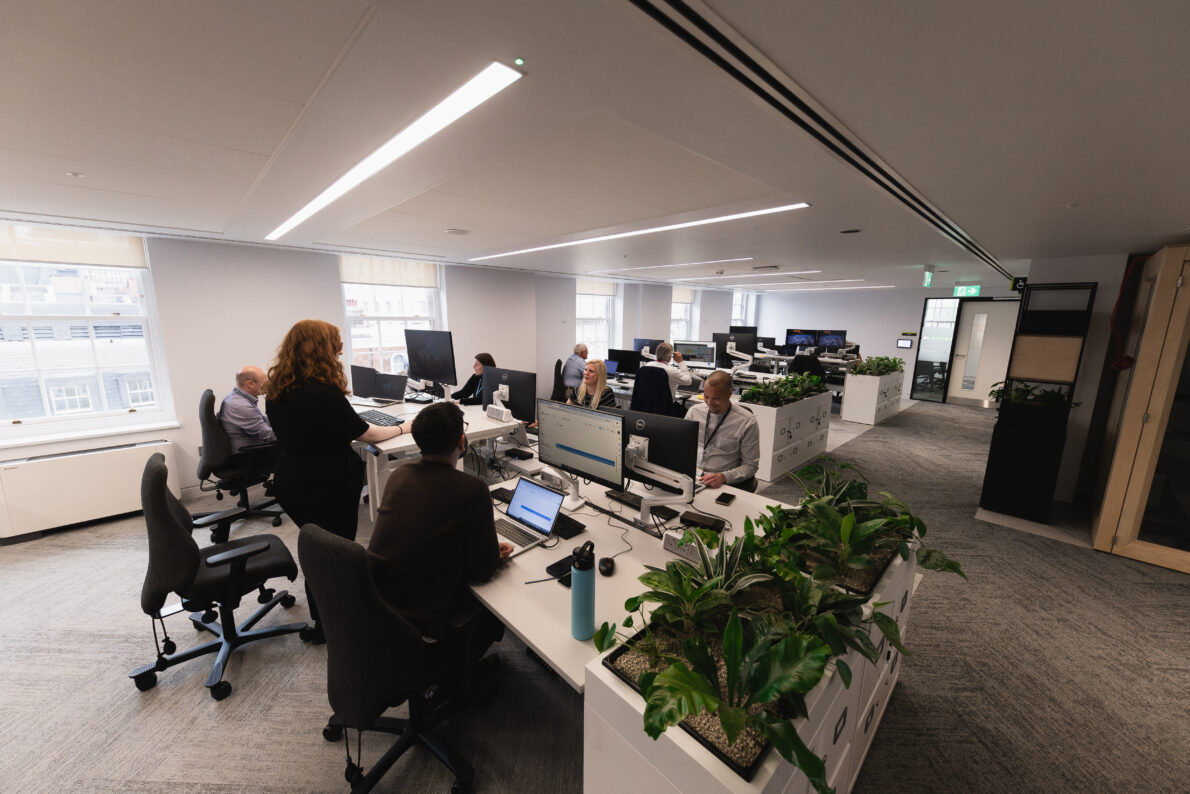
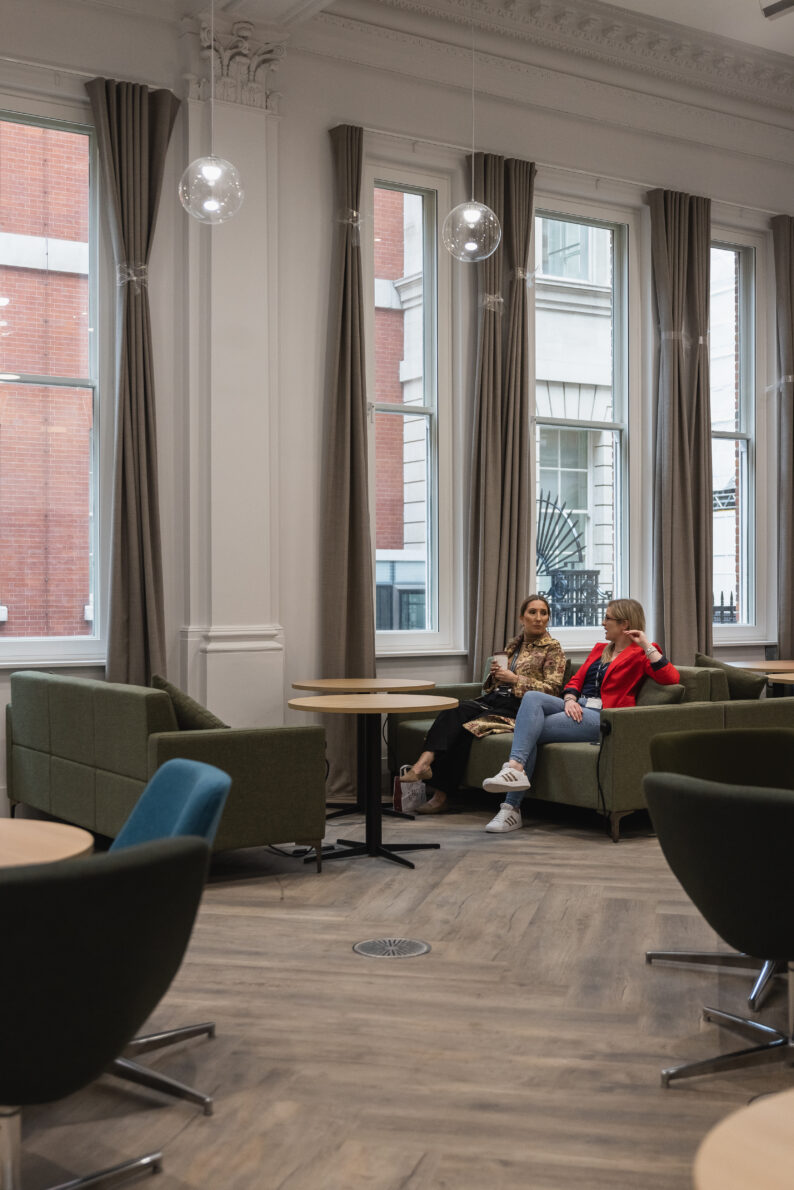
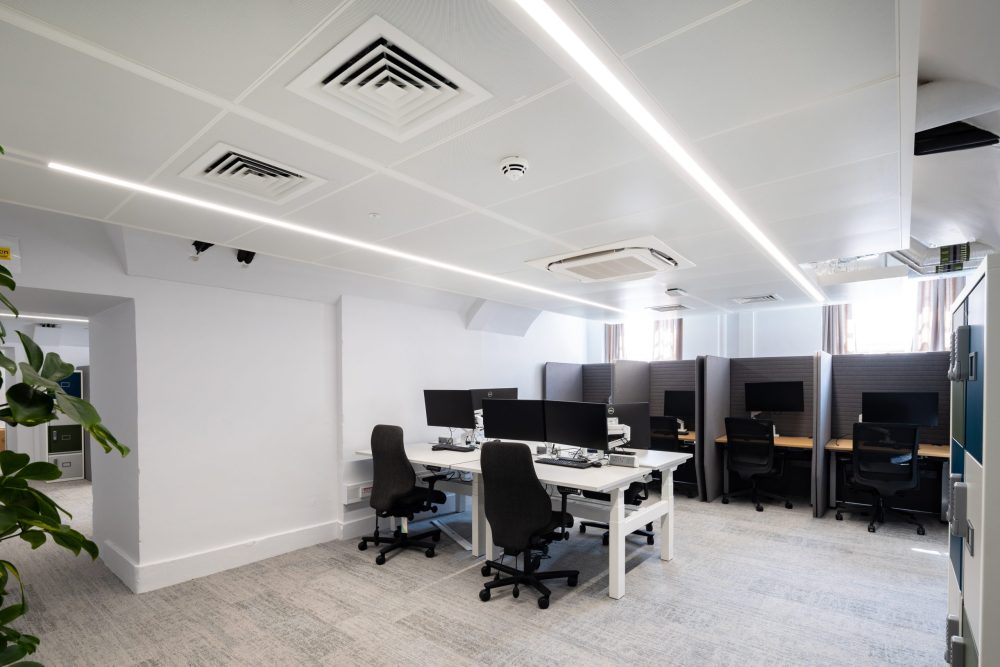
‘Unique’ facilities are carefully located close to lift cores and level access routes to ensure they are fully accessible. Height-adjustable desks are provided to support varied working postures and mobility requirements. ‘Do not disturb’ rooms feature dedicated furniture settings and dimmable lighting to support neurodivergent users and those requiring focused, private working environments. New or refurbished toilet and refreshment hub facilities were also introduced to bring them in line with GPA standards.
The seating arrangement has been carefully specified across different zones, which support various ways of working as well as collaboration amongst staff. A biophilic design is also embedded throughout the space, aimed at improving air quality, reducing stress and boosting creativity. The hub also underlines how the GPA can modernise historic buildings, while contributing to the government’s Net Zero aspirations, as the building attained a top EPC B rating alongside BREEAM Very Good certification.