Meeting zone
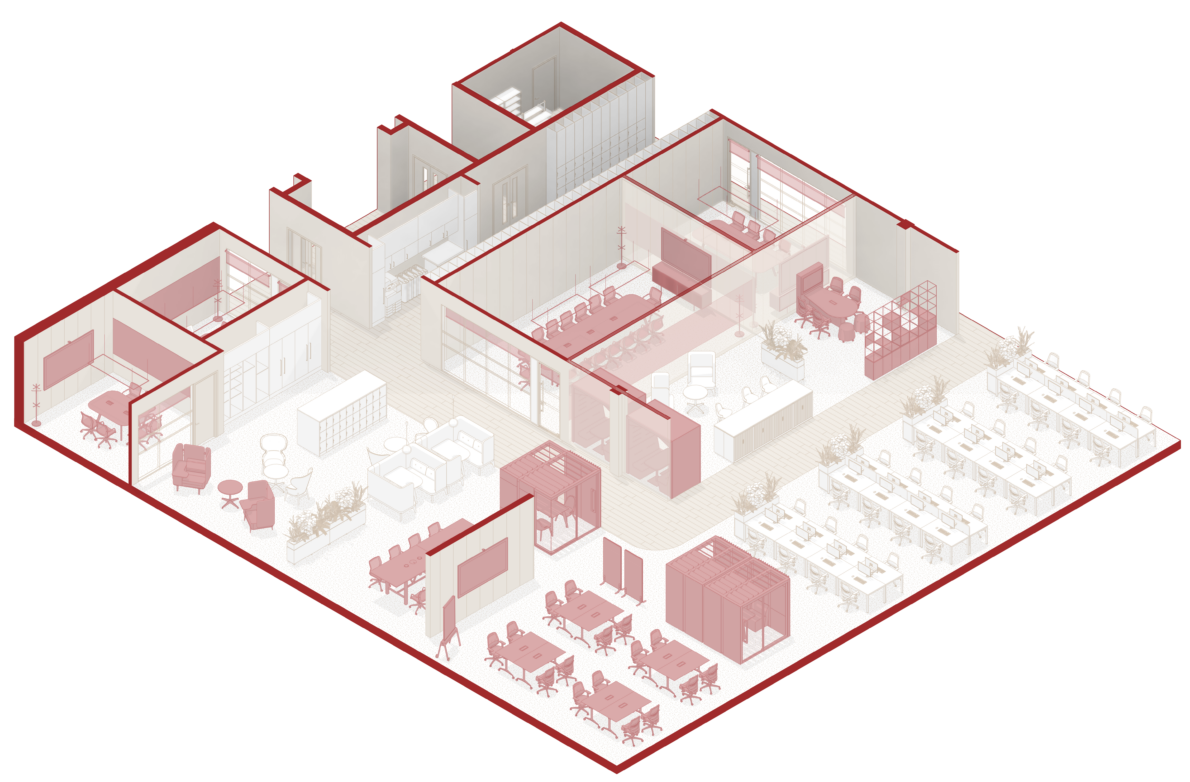
Meeting zone overview, set out in the workplace design guide
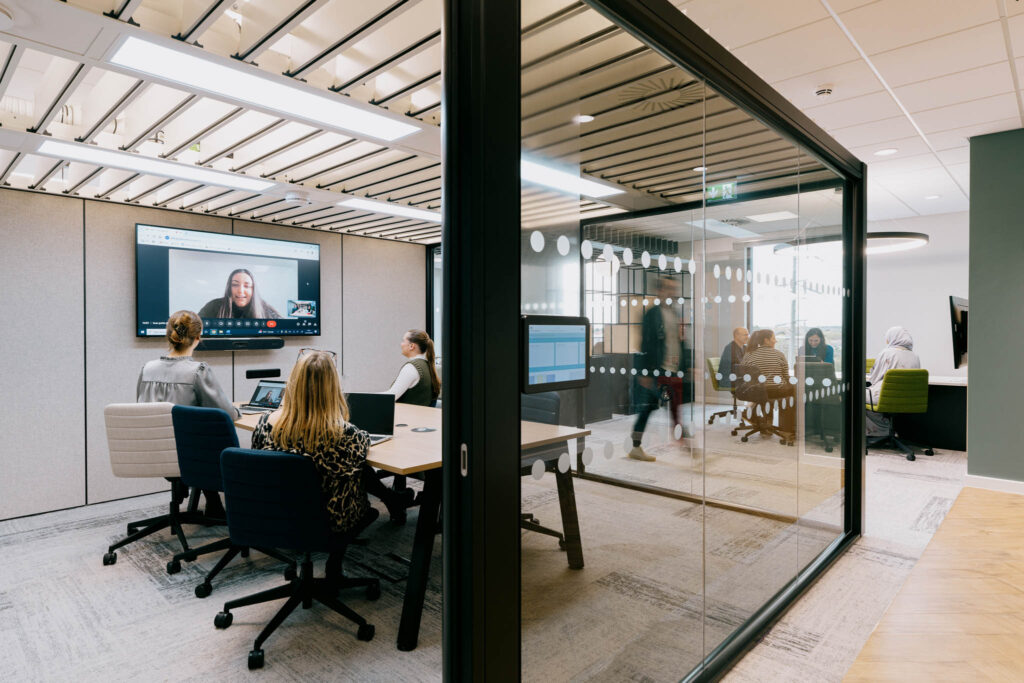
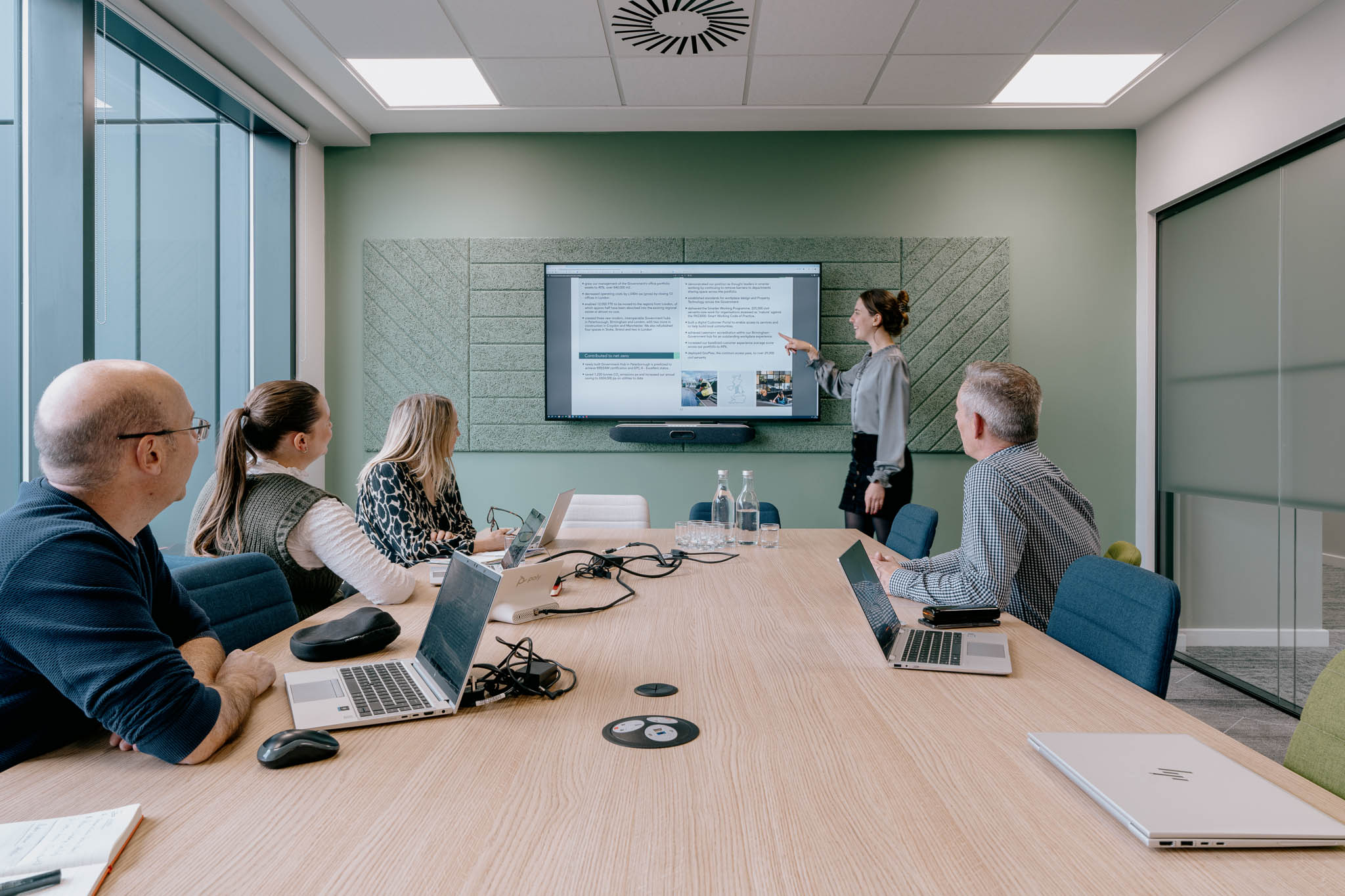
The meeting zone provides a flexible range of spaces that support collaboration, discussion and shared activity. It offers a choice of settings designed for both in person and virtual working; enabling teams to come together away from the workstation to work effectively and productively.
The image to the left shows a meeting zone layout with typical furniture arrangements.
Meeting zone space types
Activity table
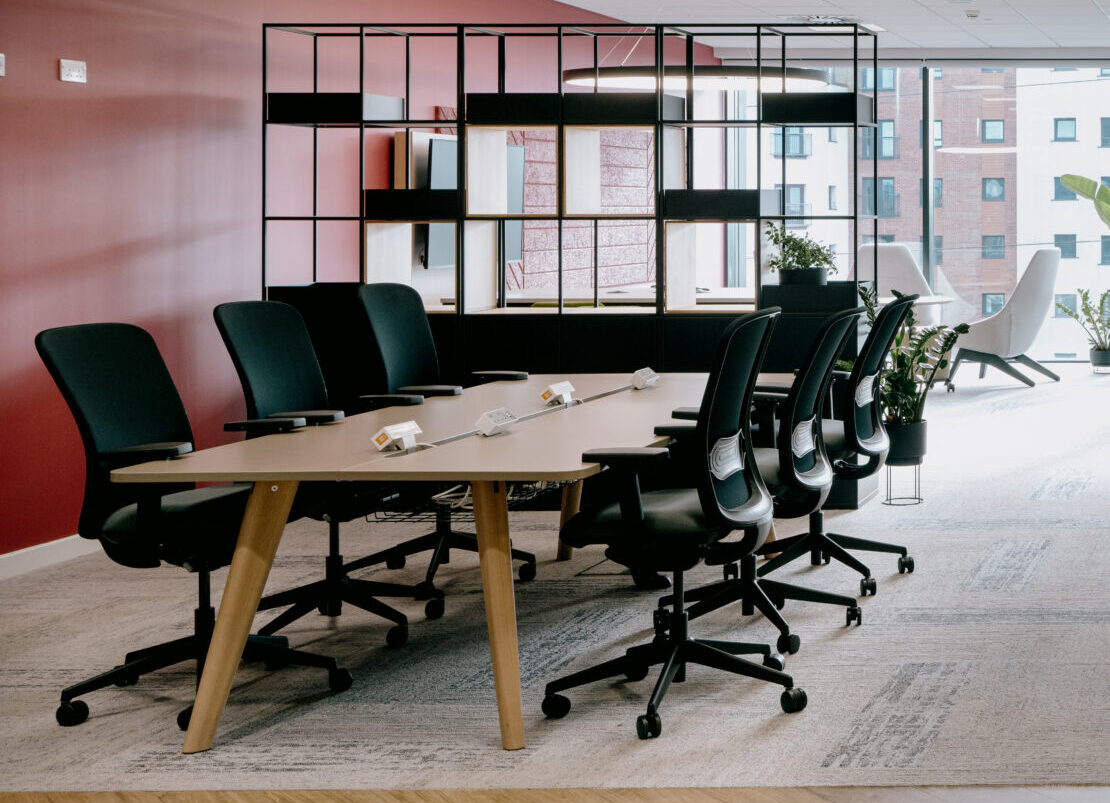 Activity tables provide open, shared surfaces that support individual focused tasks and short term collaboration. They are well suited to creative thinking, informal group work and activities that benefit from working with physical papers or materials.
Informal meeting setting (2 to 4 people)
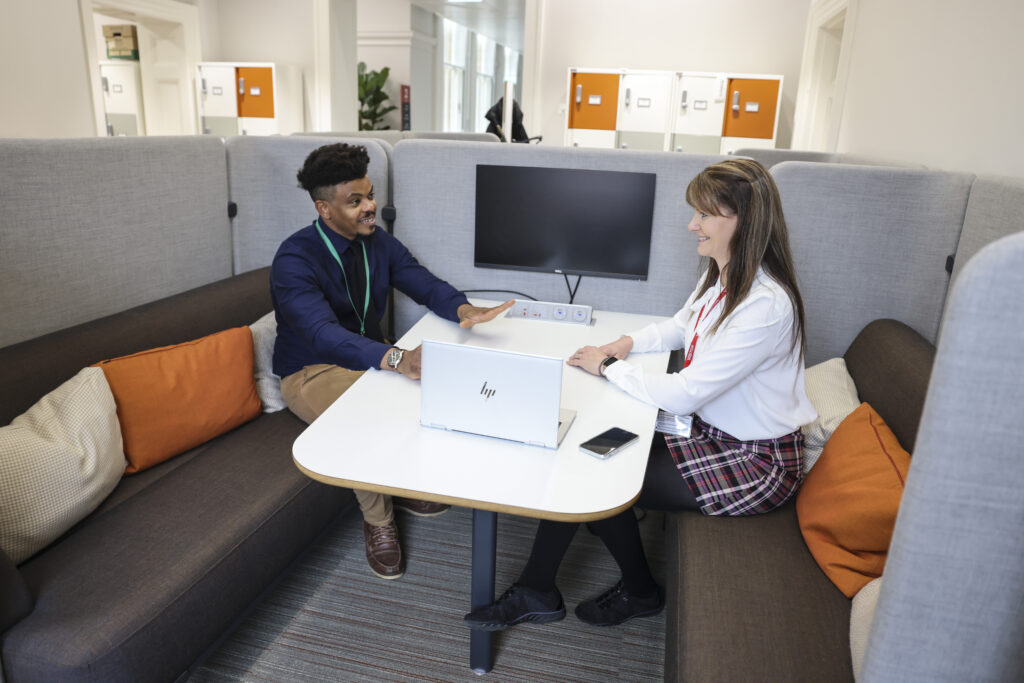
Informal meeting settings provide open or semi-enclosed booths that support quick, unplanned conversations and focused one-to-one collaboration. Designed on an intuitive ‘approach and use’ basis, these non-bookable spaces are intended for short periods of use.
Media table
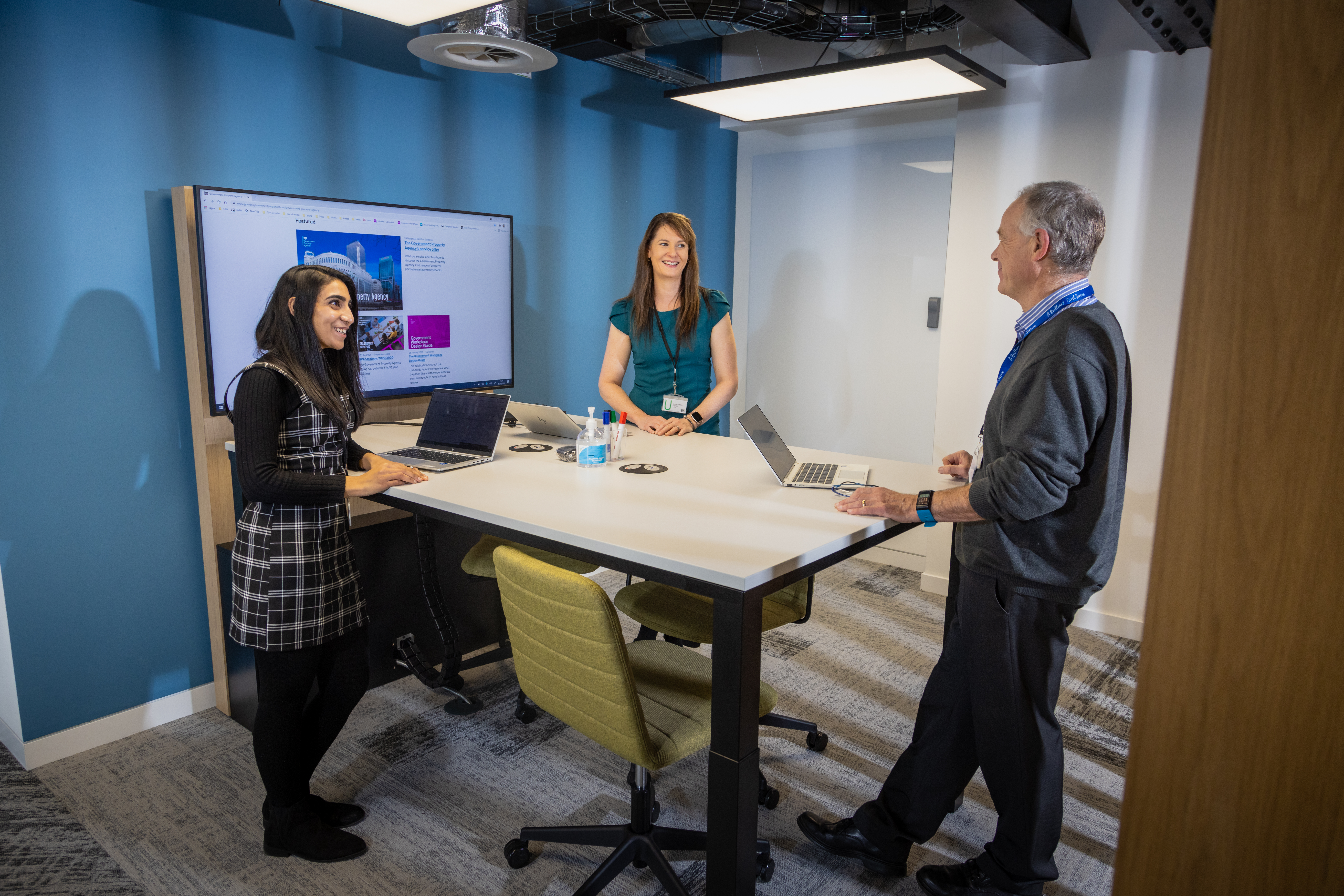 Media tables provide open project spaces with integrated tables and display screens, supporting ad hoc collaborative group work in an informal setting. They are non-bookable spaces designed to support short to extended sessions.
Meeting pod (2 people)
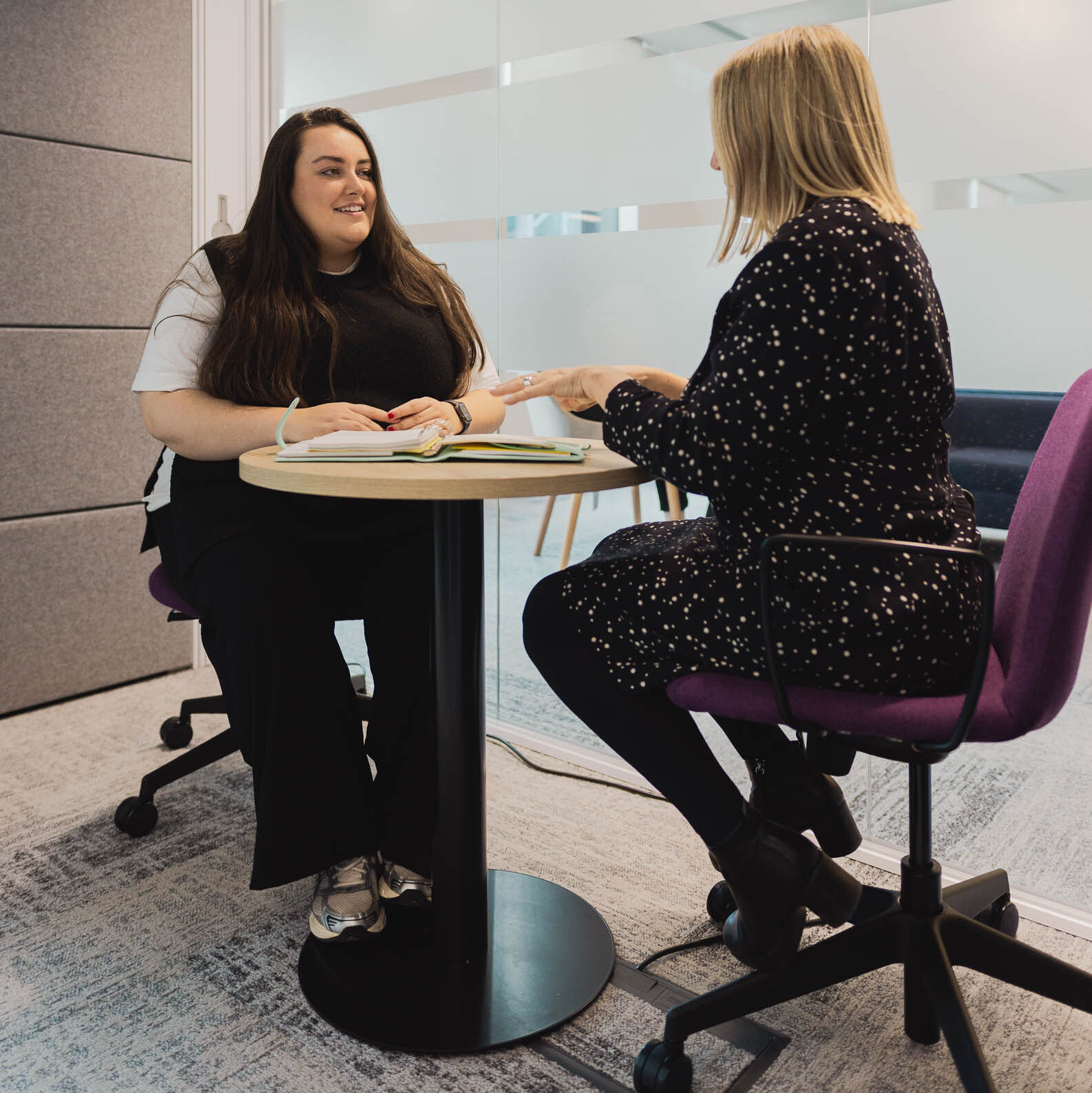 Meeting pods provide enclosed, acoustically private spaces for one-to-one meetings, focused conversations and hybrid video calls away from the main floor. They are non-bookable settings designed for short periods of collaborative use, typically accommodating one-to-two people.
Flexible project space
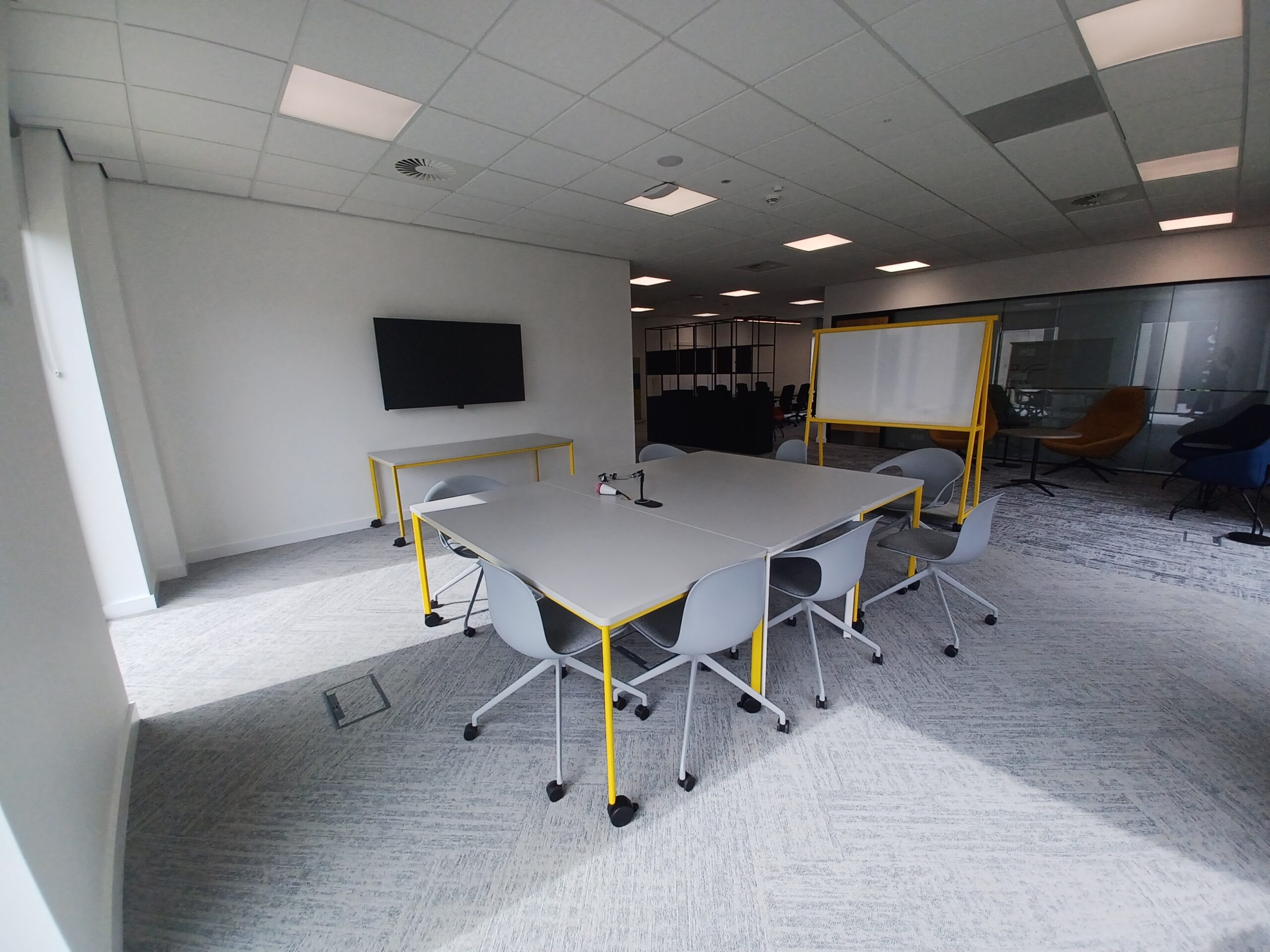 Flexible project spaces provide open, adaptable collaboration areas that support creative project work and informal group meetings. Equipped with mobile furniture, writing surfaces and display screens, they allow teams to configure the space to suit different activities.
High back chair
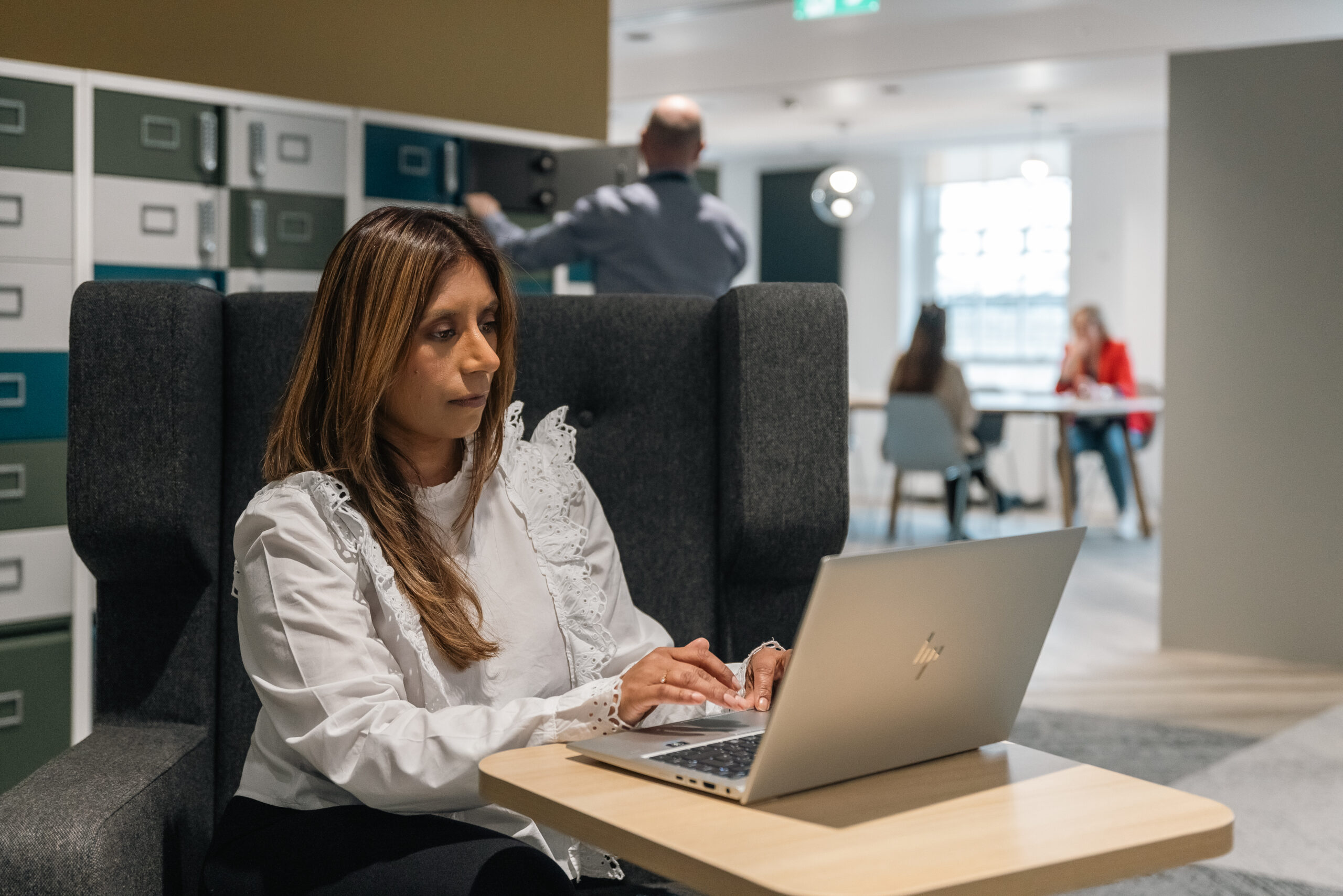 High back chairs provide semi-private, individual seating for short periods of focused work, reading or audio calls away from the standard desk. Designed as a quiet retreat within the open workplace, they incorporate an integrated laptop table and supportive, high back seating.
Meeting room (4 to 6 people)
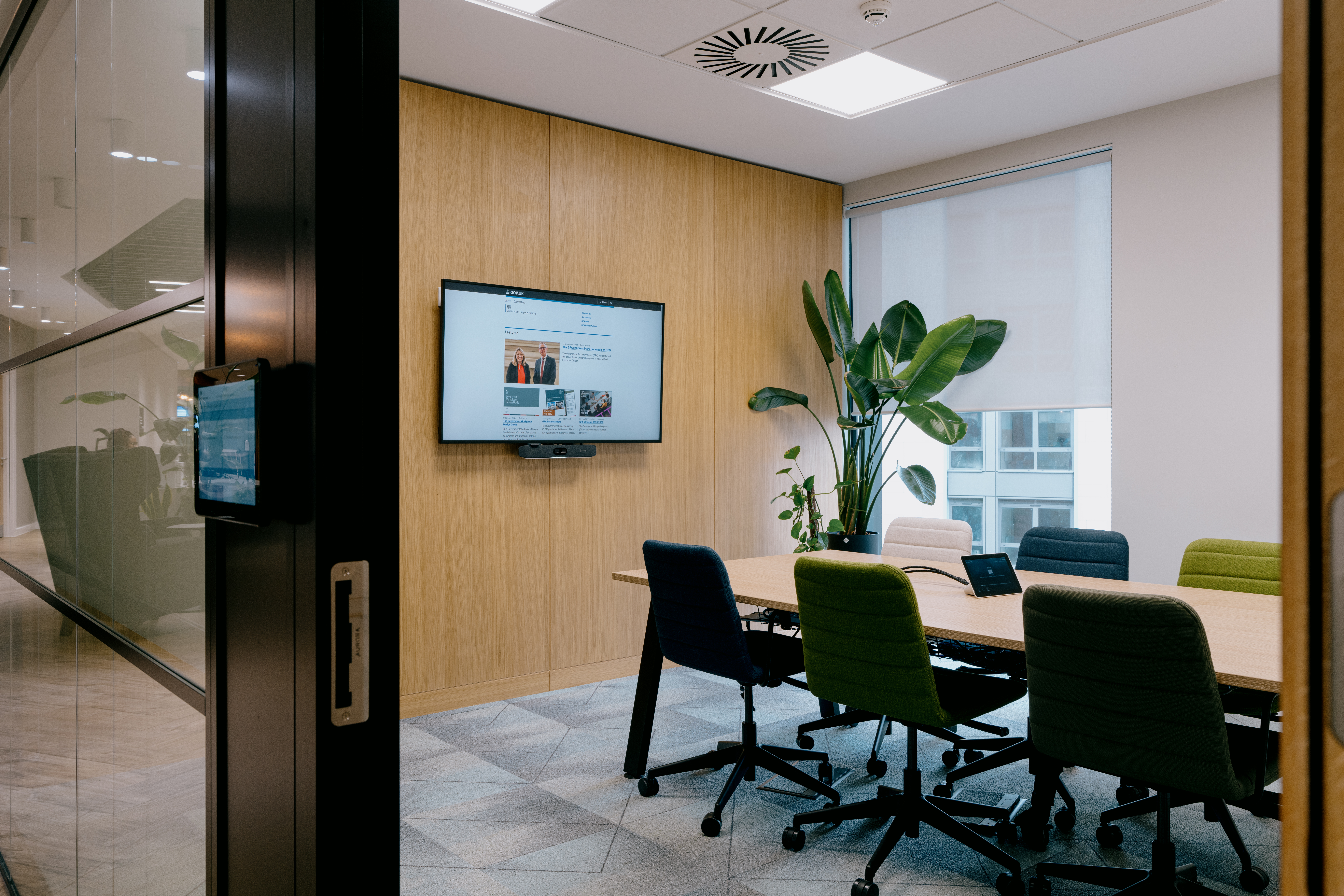 Meeting rooms for 4 to 6 people provide enclosed, acoustically protected spaces. These bookable rooms facilitate planned in person or hybrid meetings, team collaboration and confidential discussions.
Meeting room (8 to 10 people)
 Meeting rooms for 8 to 10 people consist of mid-sized, enclosed rooms with acoustic protection. These bookable rooms facilitate planned in-person or hybrid meetings, team collaboration, and confidential discussions for moderately sized groups.
Meeting room (14 to 16 people)
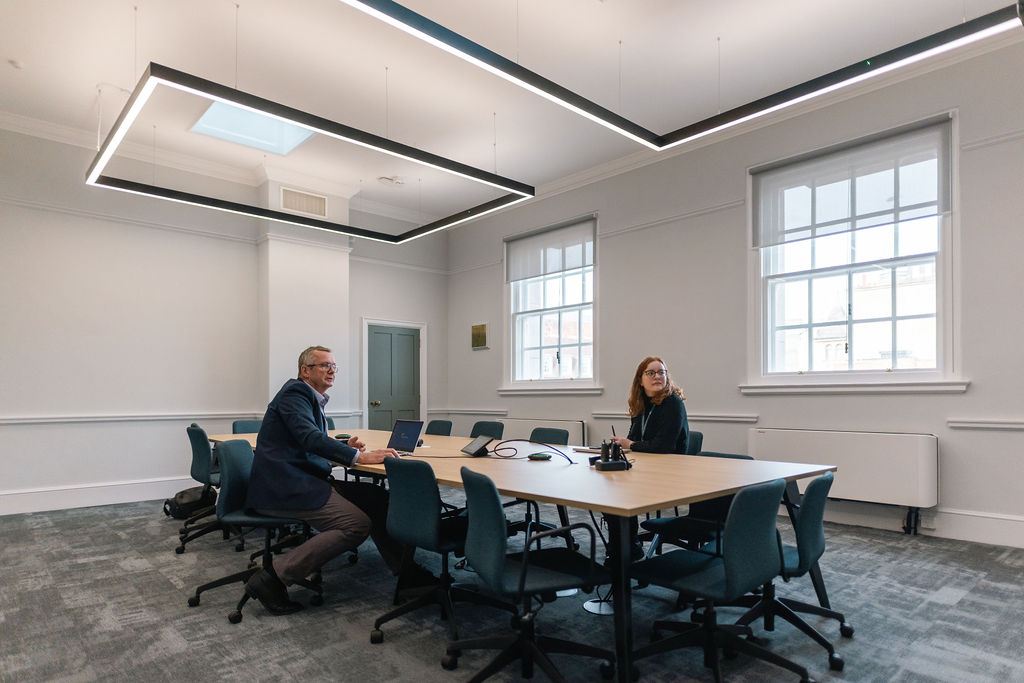 Meeting rooms for 14 to 16 people provide a spacious, enclosed room with acoustic protection. These bookable rooms are tailored for larger planned meetings, team collaboration, hybrid meetings, and hosting external visitors.
Take a look at more of the Government Workplace Design Guide
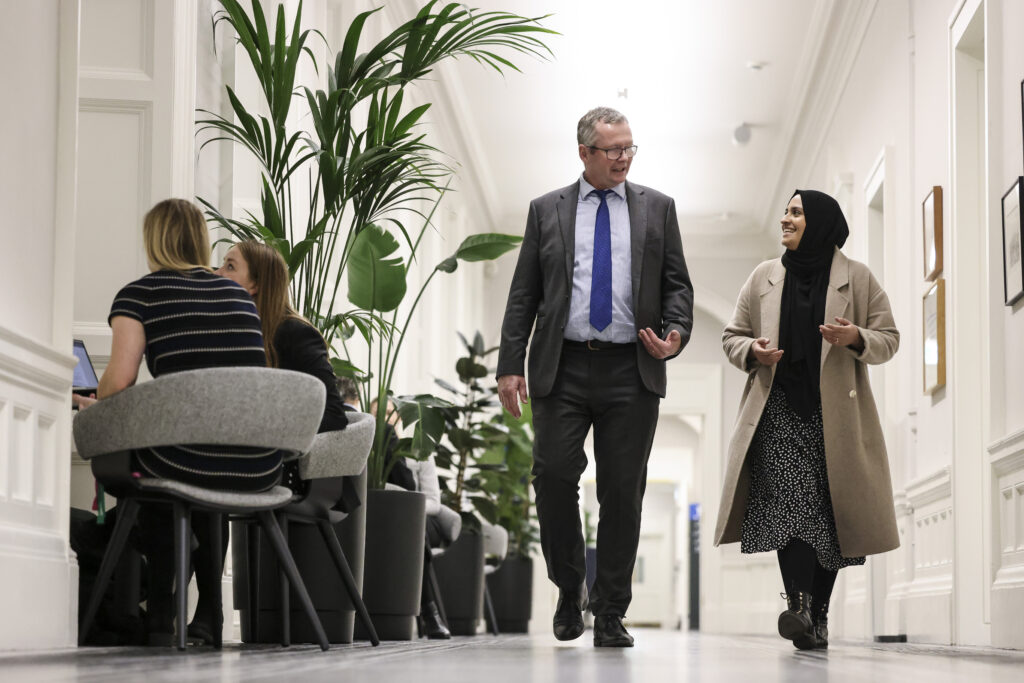
The Government Workplace Design Guide
This Government Workplace Design Guide is one of a suite of guidance documents and standards setting out the aspirations for government and public sector workspaces.
1/4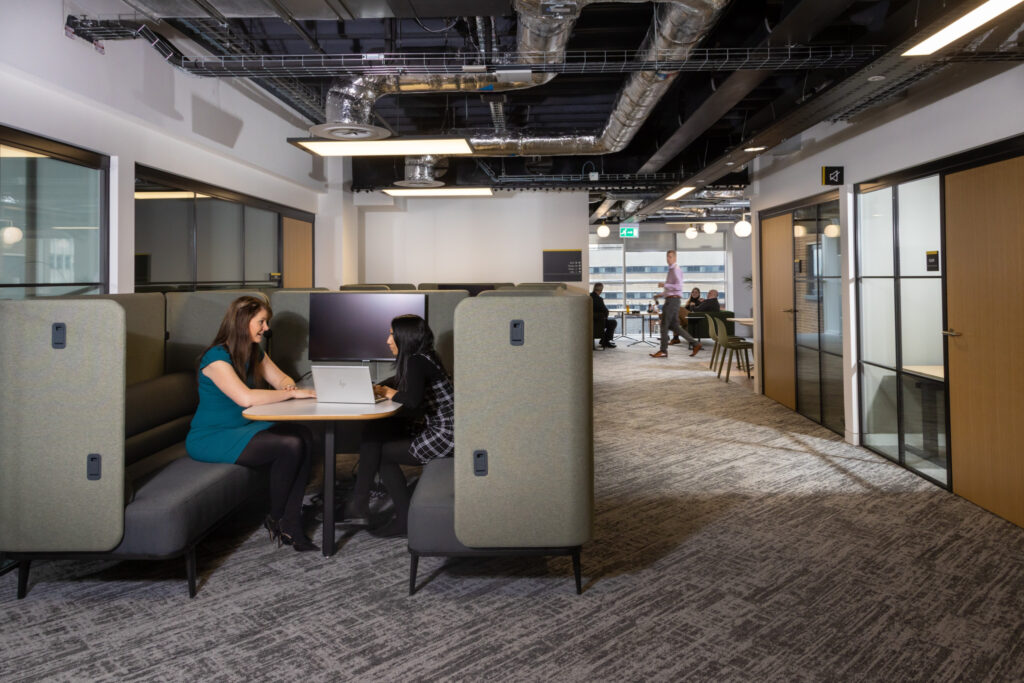
Core design requirements
Our core design requirements, set out as part of the Government Workplace Design Guide.
2/4