Design approach
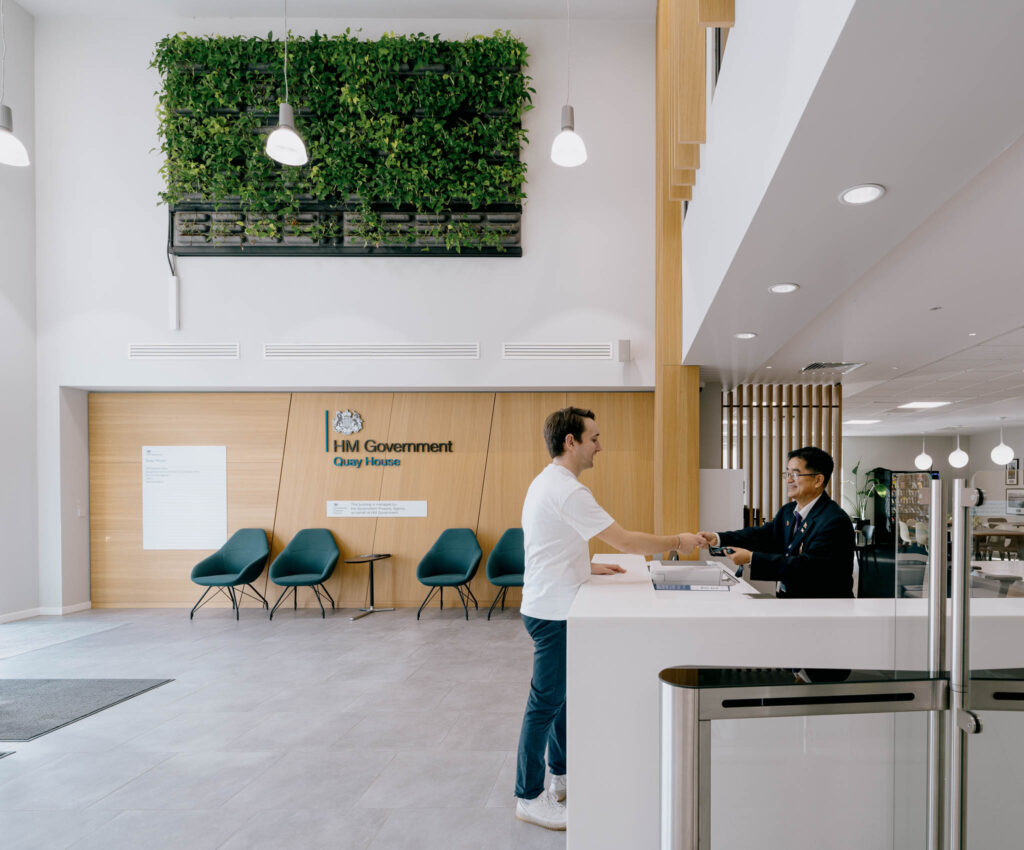
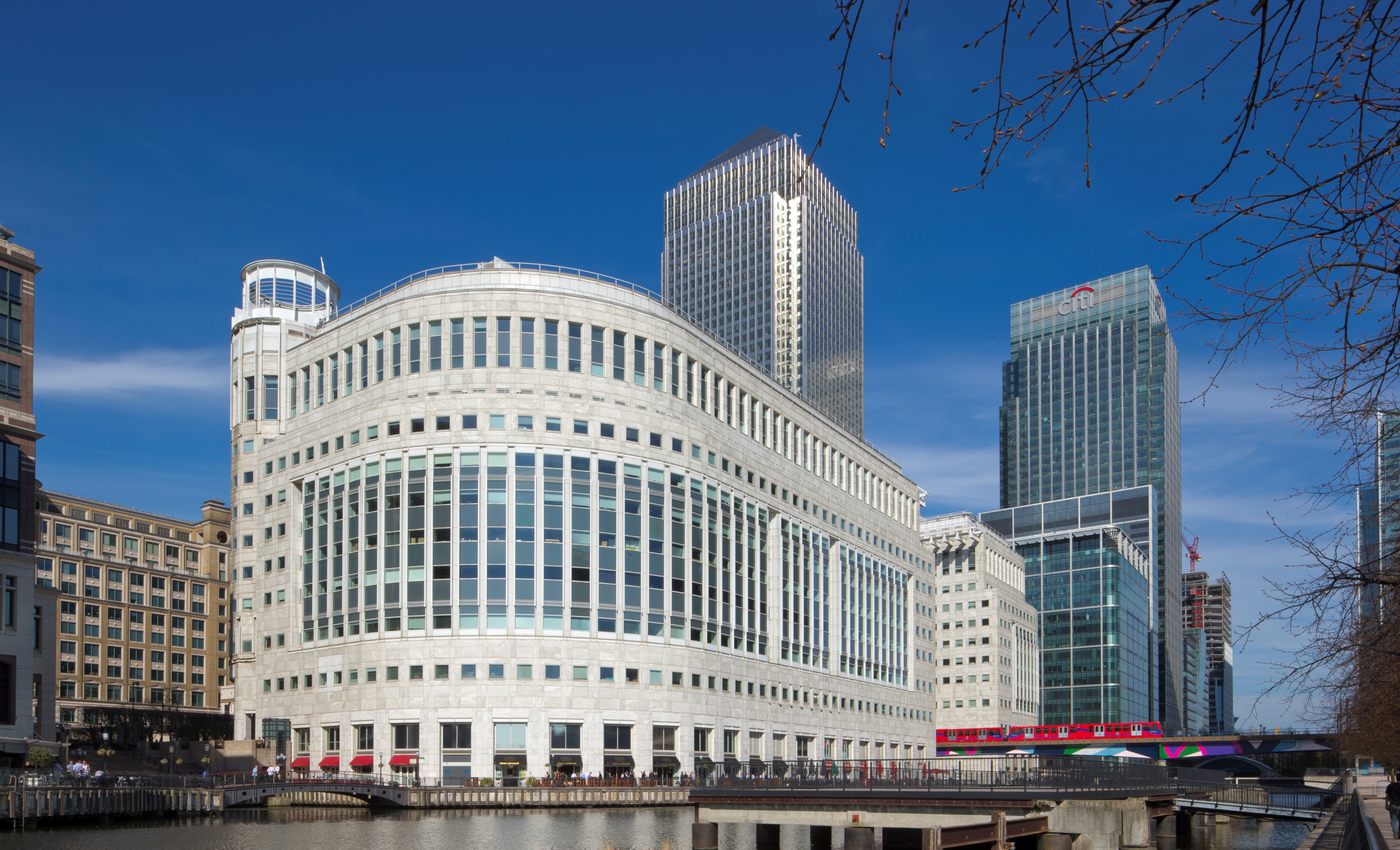
Our design approach, set out as part of the Government Workplace Design Guide.
Managing the design process
When developing project requirements or preparing a brief, it is important that any specialist facilities, security or space needs are identified at the earliest opportunity.
Early clarity allows cross-government solutions to be considered and enables technical responses to be developed that optimise building performance, ensure regulatory and safety compliance and provide transparency around cost implications.
The GPA works in partnership with clients to identify appropriate, cost effective design solutions that maintain the integrity of the wider GPA offer, whilst delivering departmental specific workplaces.
The capture and review of any bespoke space requirements, through regular workshops and engagement with the design team, ensures that the necessary equipment and spatial allowances are incorporated into emerging space plans and reduces the need for redesign.
Changes introduced later in the process are more likely to impact cost and programme, reinforcing the importance of early and informed decision making.
Level 1
Types of change
Customisation of team home look and feel, through decoration and furniture.
Examples
- Wall decorations and branding.
- Additional soft furnishings.
- Balance of furniture modules to suit the types of work.
Client cost
Limited additional cost to client.
Project cost
Low
Programme cost
Low
Level 2
Types of change
Changes to standard floor plate; segregation of floorplate.
Examples
- Sole occupants restricting access to the floorplate.
- Dedicated small meeting rooms for operational purposes.
- To provide workplace adjustments.
- Changes in zoning or use of space.
Client cost
Additional cost to client.
Project cost
Medium
Programme cost
Medium
Level 3
Types of change
Major changes to the floorplate that impact building services and layouts.
Examples
- Install additional partition walls to divide up floorplates.
- Adding additional meeting rooms or refreshment hubs.
- ‘End user device requiring a wired connection to the LAN.
- Client department requiring dedicated virtual local area network.
- Changes to specialist security requirements to facilitate Tier 3 or Tier 2 areas.
Client cost
Additional cost to the client to make the change and also removing it at the end of the client’s term of occupation.
Project cost
High
Programme cost
High
Key space planning principles
Design principles for a modern government estate.
Ways of working
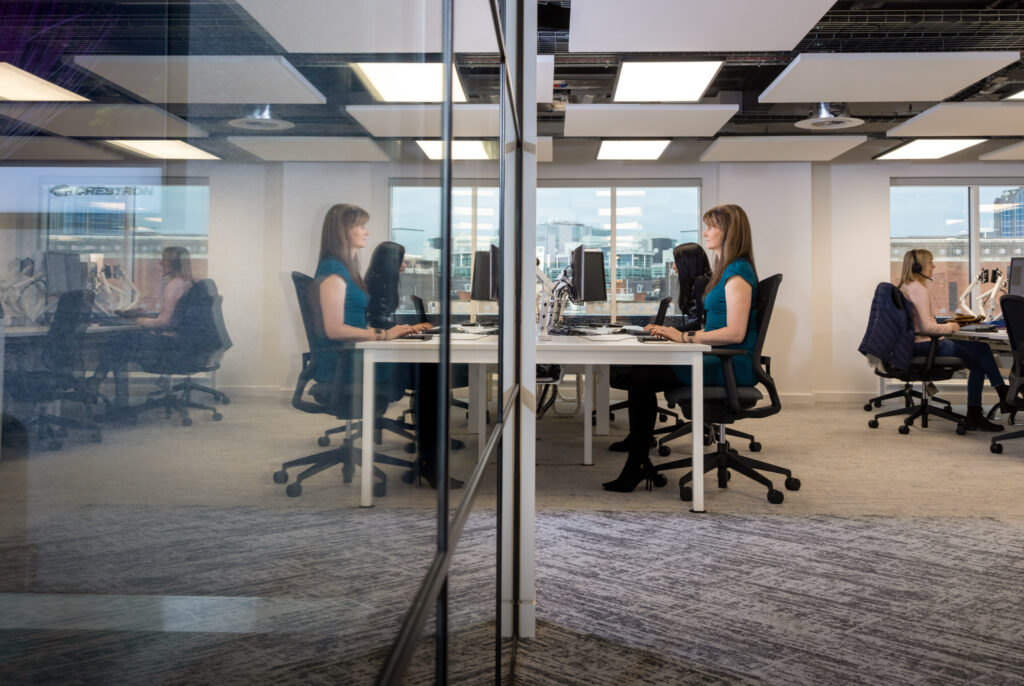
Our workplaces are designed to support smarter ways of working, recognising that different tasks call for different types of space. Layouts are planned as connected, intuitive environments that encourage movement and choice, with clearly defined zones offering a range of work settings to suit how people work throughout the day.
Modularity
Our workplaces use modular furniture to make it easy to adapt spaces as needs change, with minimal disruption to day-to-day activity. Furniture and components are selected to be easy to move and reconfigure, allowing the same space to support different activities and ways of working over time.
Shared spaces
Our workplaces are digitally enabled to support people rather than fixed desks, allowing staff to work flexibly using portable devices and secure digital platforms. Key work zones are designed as shared spaces, giving all users reliable access to connectivity through GovWiFi and a consistent, easy to use ICT experience.
Flexibility and future-proofing
Our workplace layouts shall minimise permanent segregation through walls and doors. Shared elements such as meeting pods and work booths, team storage and planters shall be used to define boundaries where required. Spaces shall be designed to allow reallocation and reconfiguration with limited or no rework. Buildings shall also be designed on the assumption that floor plates may require subdivision for occupation by multiple government departments.
Sense of space
Our workplaces are designed to bring people together, supporting collaboration and a strong sense of community while still providing space for focused work. Open layouts with clear sightlines help create a welcoming, easy to navigate environment, complemented by shared breakout and informal meeting spaces that add interest, variety and opportunities for connection throughout the day.
Inclusive environments
Our workplaces are designed to be welcoming, accessible, and easy to use for everyone, reflecting our commitment to class-leading inclusive design. We actively design out physical and cognitive barriers by embedding accessibility throughout the building, supporting users with both visible and non-visible disabilities. By anticipating diverse user needs, we ensure our spaces provide a dignified, confident, and empowering experience for all staff and visitors.
Interior design strategy
Layered design approach
Whilst individual GPA workplaces may express their own character and respond to local context, they shall deliver a consistent quality and standard of fit out and be clearly recognisable as part of the GPA estate. The interior design strategy utilises a layered approach.
Finishes
Base Palette
Create a cohesive palette that prioritises durability and practicality.
Accents
Embed local character via colour, artwork and decorative feature elements.
Identity
Brand integration
Establish estate-wide identity through the use of primary and secondary branding.
Primary branding
Government building identifier (government logo)
Secondary branding
Tenant identifier (government department logo)
Features
Wayfinding and signage
Support a clear, intuitive and inclusive user journey.
Biophilia
Promote occupant wellbeing, creativity and productivity.
Acoustics
Support wellbeing, productivity and security.
Artworks
Support identity, experience and functionality.
Finishes and furniture
GPA workplaces are designed to deliver high-quality, welcoming environments that are clearly recognisable as part of a single, modern government estate. Whilst each building responds to its local context, a consistent approach to interior design ensures a cohesive experience for users across the UK.
Design choices prioritise longevity, inclusivity and ease of use. Calm, neutral base palettes create adaptable and timeless spaces that support a wide range of working styles and user needs. Materials and finishes are selected for durability and performance, ensuring workplaces remain attractive, practical and easy to maintain over time.
Carefully considered feature elements may be introduced within shared spaces such as meeting, wellbeing or collaboration areas. These features add character and help create a sense of place, while remaining subtle and inclusive. Where appropriate, local references may be incorporated to reflect regional identity and strengthen connection to place.
Wayfinding, branding and artwork
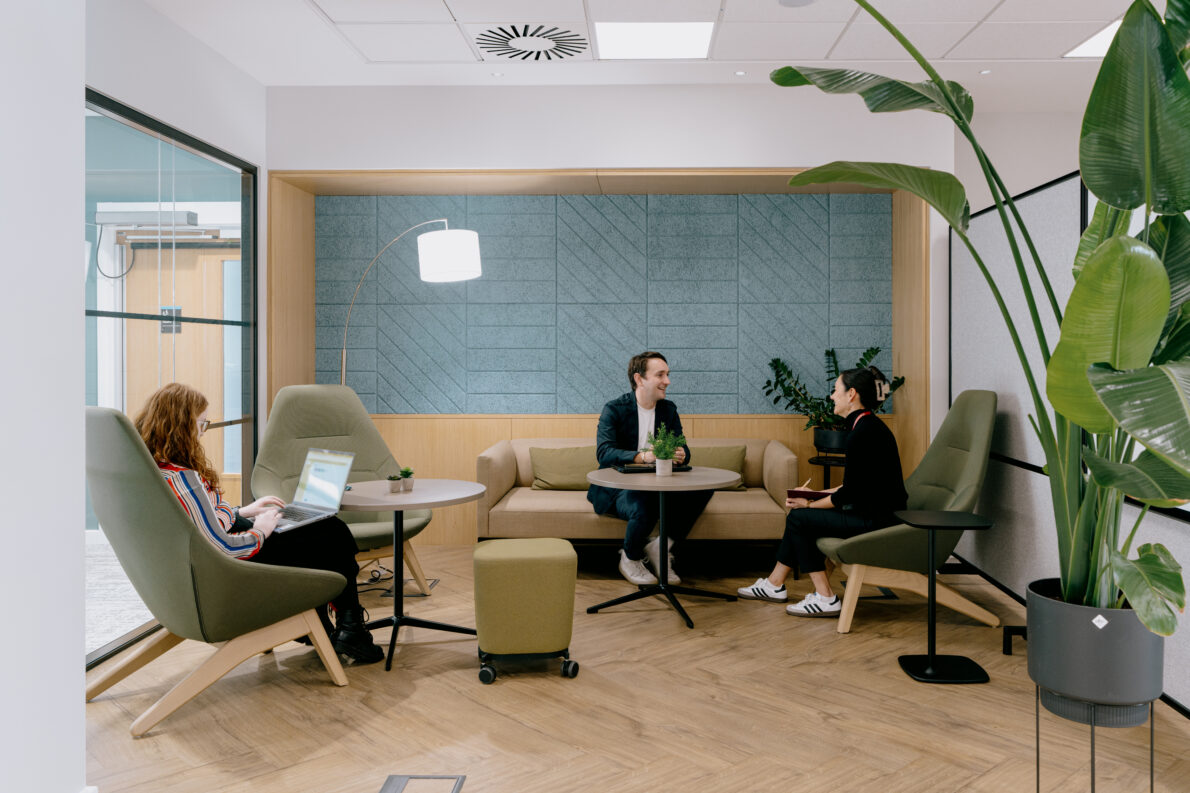
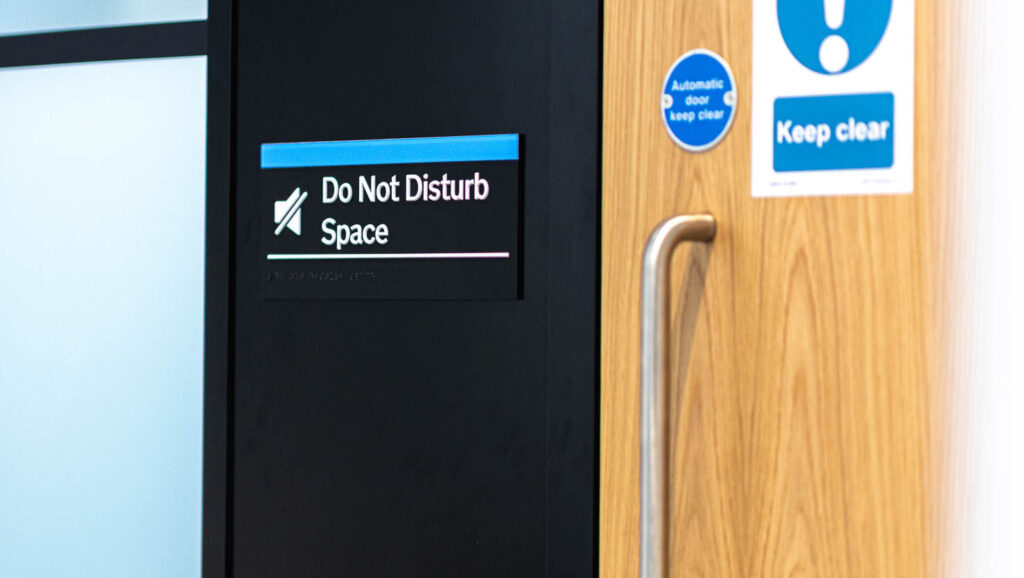
Wayfinding signage helps people move confidently through buildings; balancing clarity with character and avoiding unnecessary visual clutter. Clear naming, numbering and visual cues help people find their way easily, even in large or more complex buildings.
In a GPA building, the selection of artwork is used deliberately to support the identity, experience and functionality of the workplace, rather than as decoration alone. It is often used to help differentiate zones and support wayfinding but in a more human and engaging manner.
Wayfinding, branding and artworks are carefully integrated into the overall design of the workplace – coordinated with lighting, finishes and layout – to deliver a coherent and high-quality experience.
Biophilic design principles
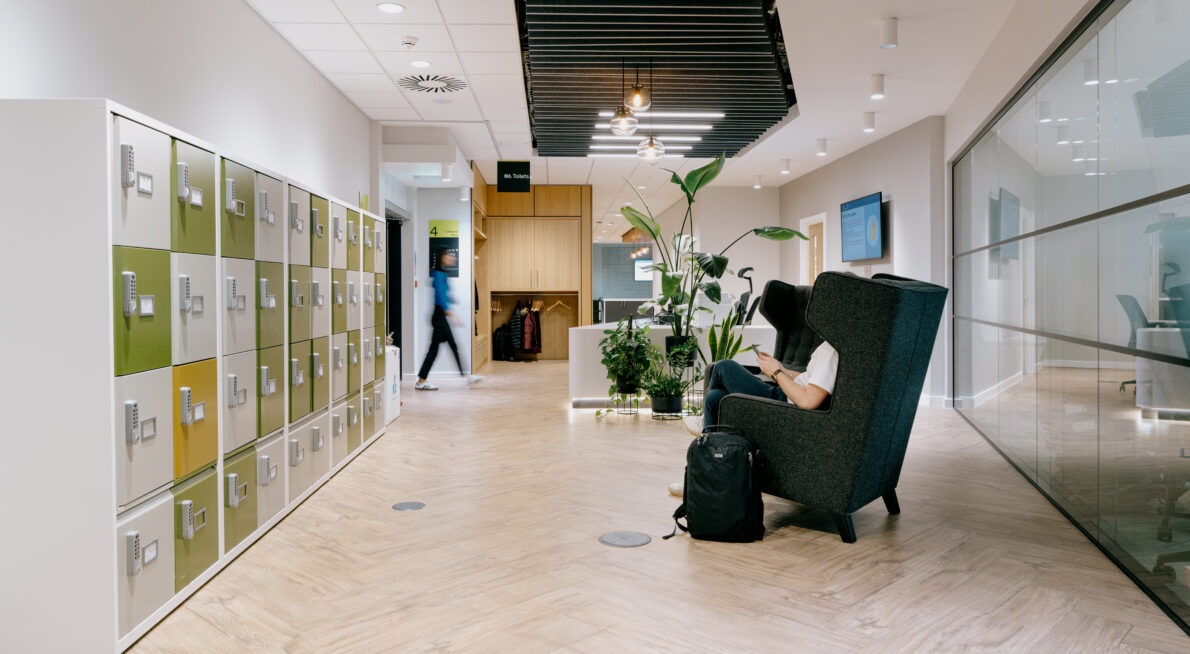
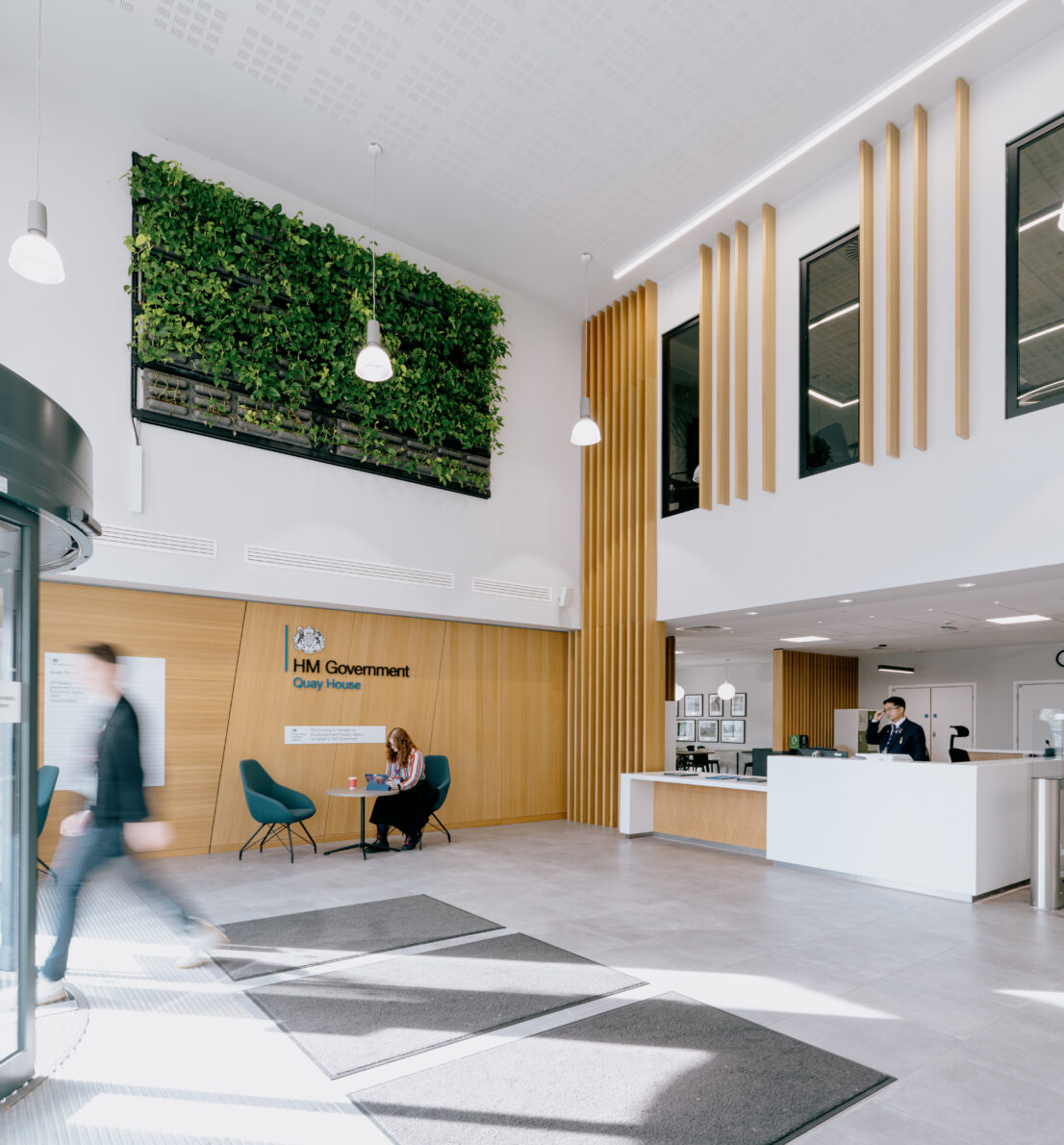
GPA workplaces are designed to support wellbeing, creativity and productivity by strengthening the connection between people and nature. Biophilic design is thoughtfully integrated throughout our buildings, bringing natural elements into everyday workspaces in ways that feel calm, welcoming and intuitive.
Natural planting, materials and textures are used to soften interiors, improve comfort and enhance the working environment. Views to the outside, access to green spaces and nature-inspired features help create workplaces that feel healthier, more engaging and more enjoyable to use.
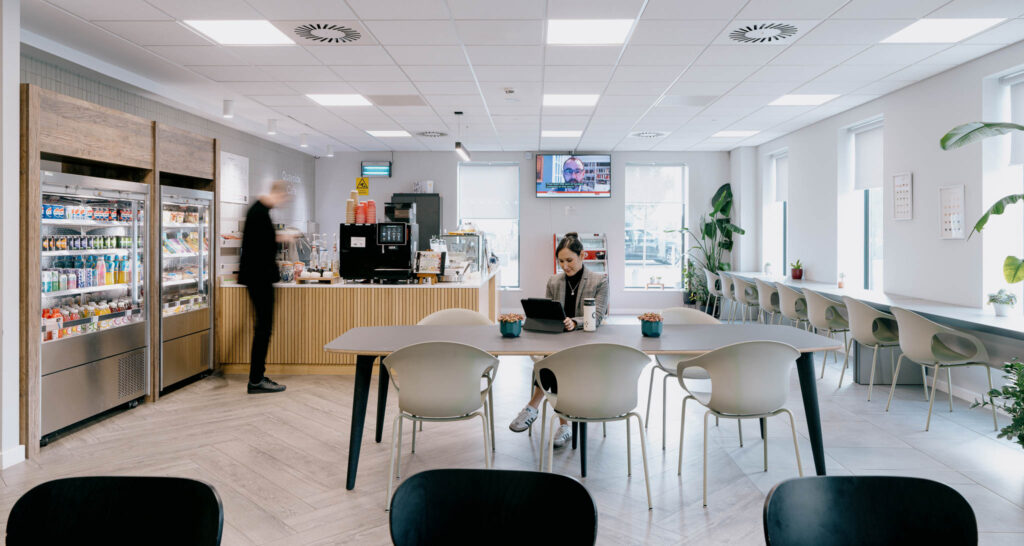
Where appropriate, planting and landscape features are introduced in shared spaces such as receptions, breakout areas and terraces; creating places of interest and supporting a sense of community. These elements are carefully designed to be practical, sustainable and easy to maintain, ensuring long-term value.
Acoustic design principles
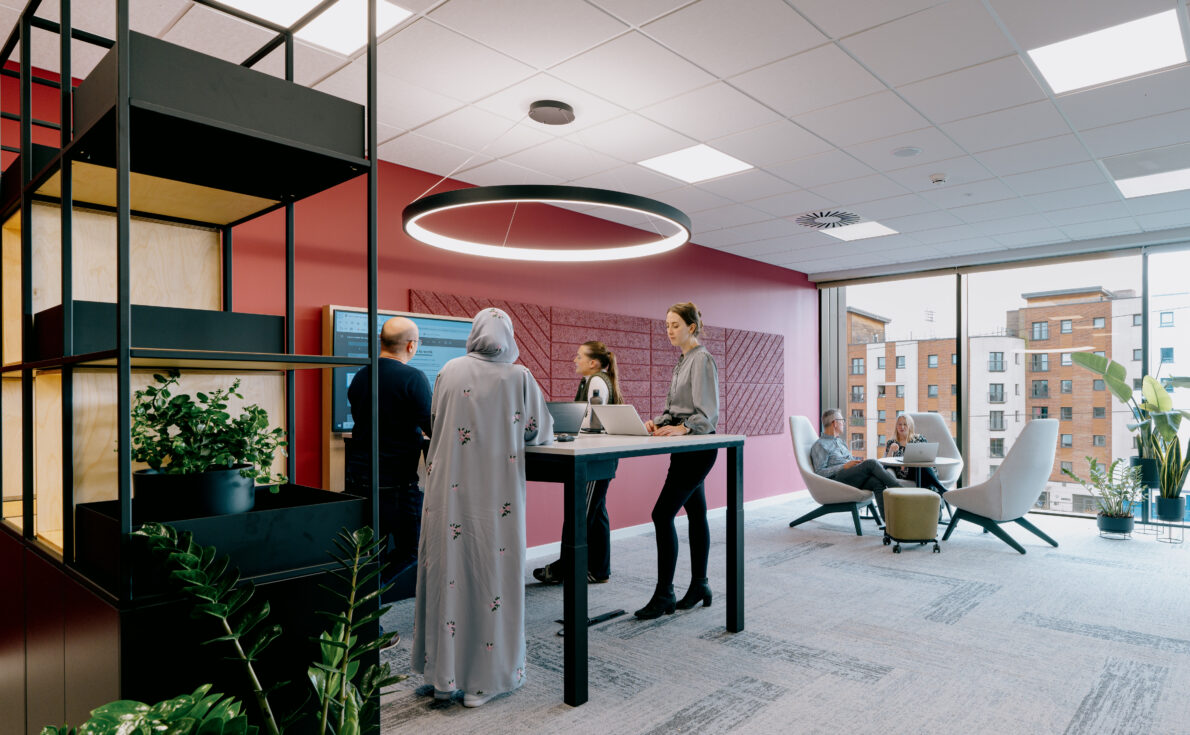
GPA workplaces are designed to support focus, collaboration and wellbeing through carefully considered acoustic design. By managing noise and sound quality across the workplace, we create environments where people can work effectively, communicate clearly and concentrate without unnecessary distraction.
Different spaces are designed to support different activities. Open areas encourage collaboration while maintaining comfortable background noise levels, and quieter spaces provide calm settings for focused work, confidential conversations and activities that require greater concentration. This balanced approach supports a wide range of working styles and individual needs.
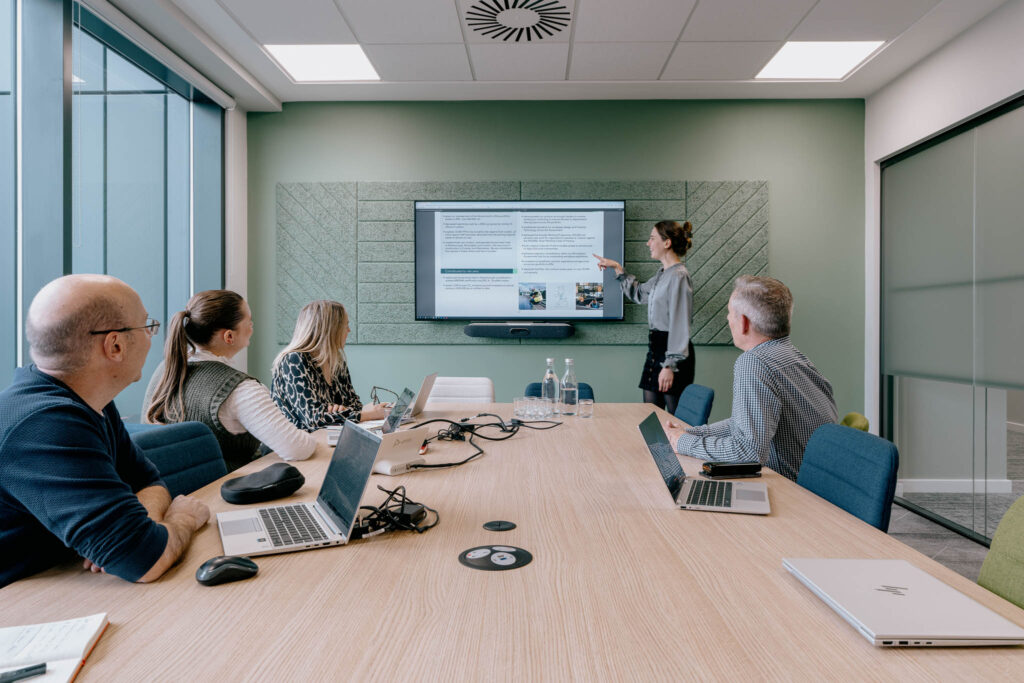
Acoustic materials and finishes are thoughtfully integrated into the overall interior design, working alongside lighting, layout and furniture to create calm, comfortable and professional environments. These elements are carefully coordinated to ensure strong performance without compromising the look and feel of the workplace.
Explore more of the Government Workplace Design Guide
The Government Workplace Design Guide
This Government Workplace Design Guide is one of a suite of guidance documents and standards setting out the aspirations for government and public sector workspaces.
1/9
Core design requirements
Our core design requirements, set out as part of the Government Workplace Design Guide.
2/9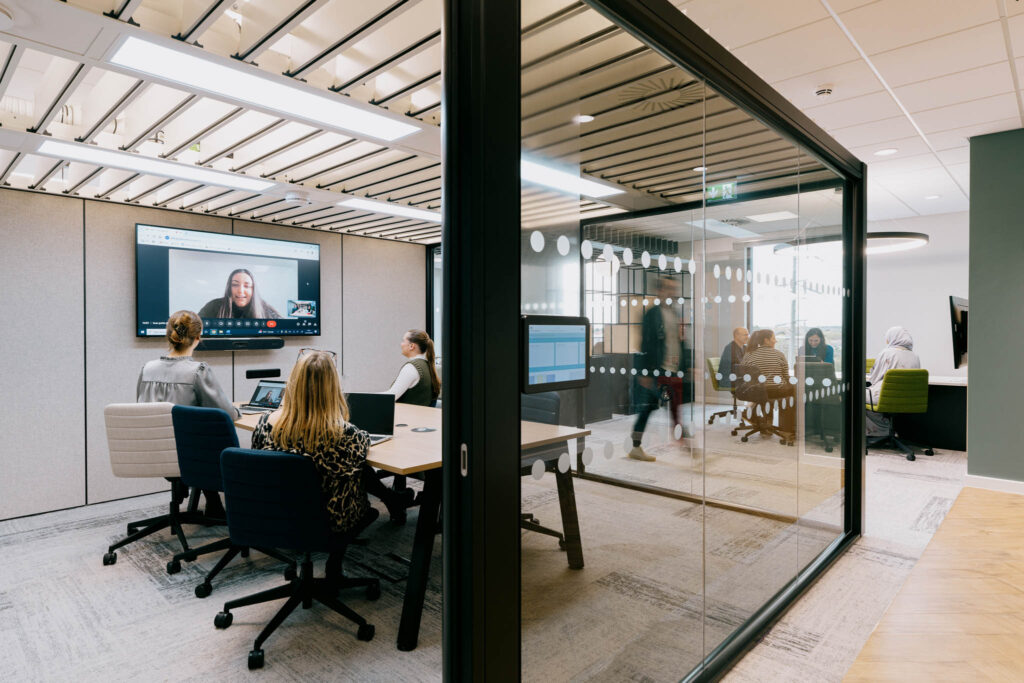
Business events centre (BEC) zone
Business events centre overview, set out in the workplace design guide
8/9